 RU
RU ZH
ZH IT
IT ES
ES TR
TR JA
JA PT
PT KO
KO FR
FR DE
DE AR
AR ID
ID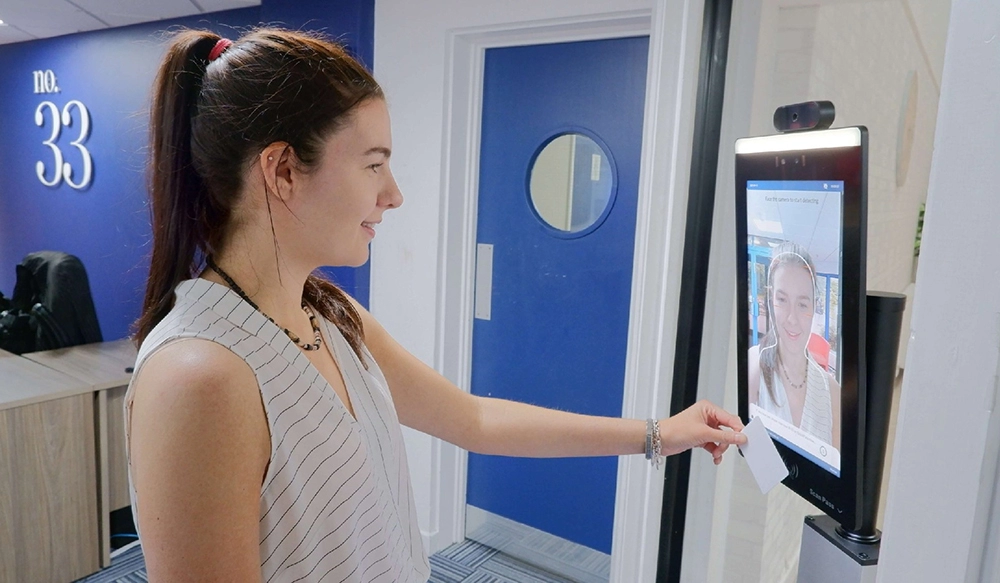
Summary of the application field of touch screen all-in-one machine
Learn More



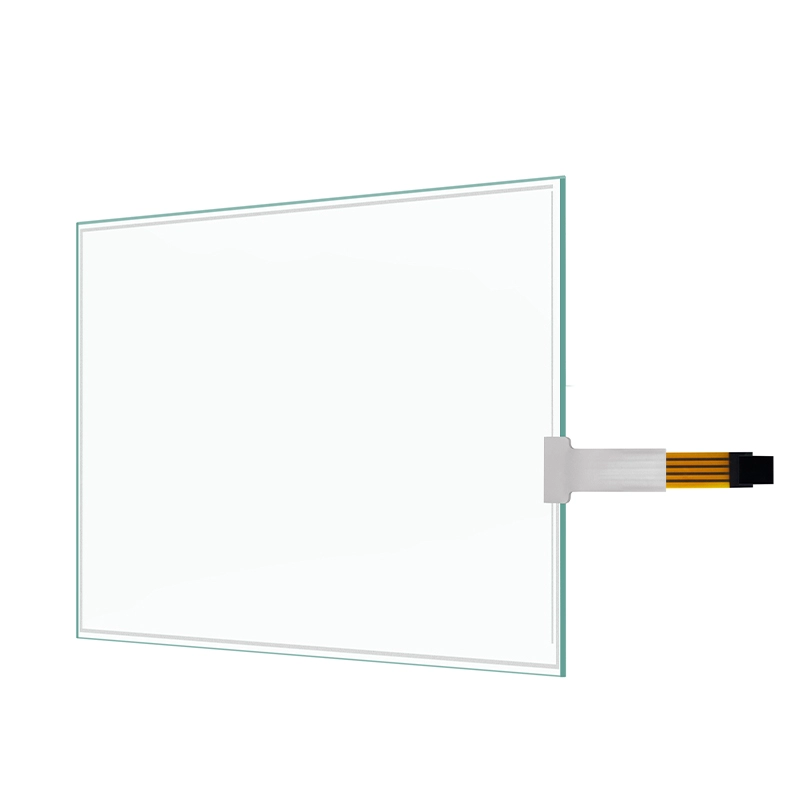
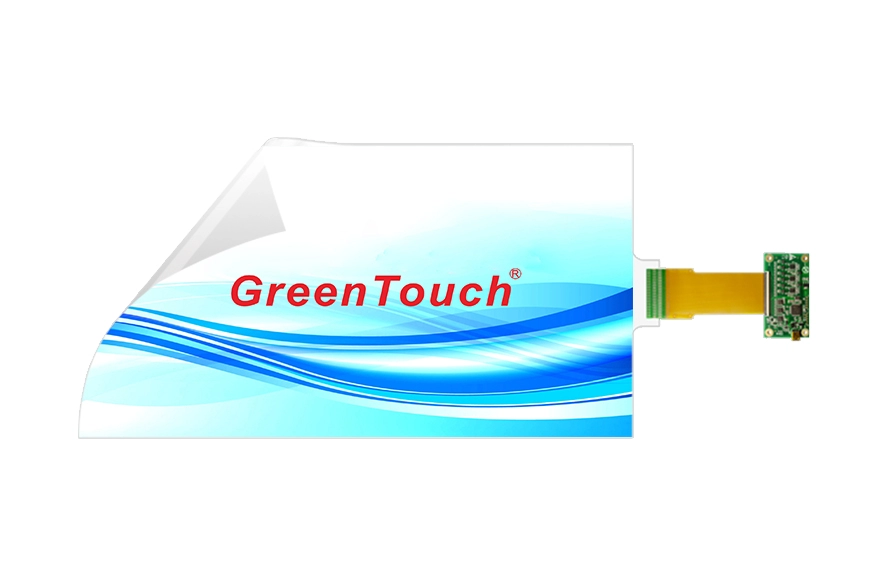
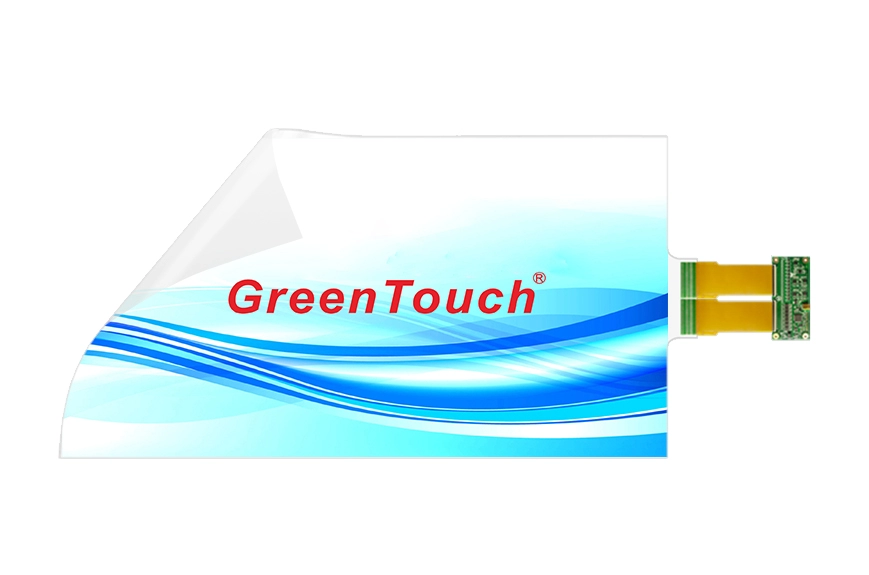
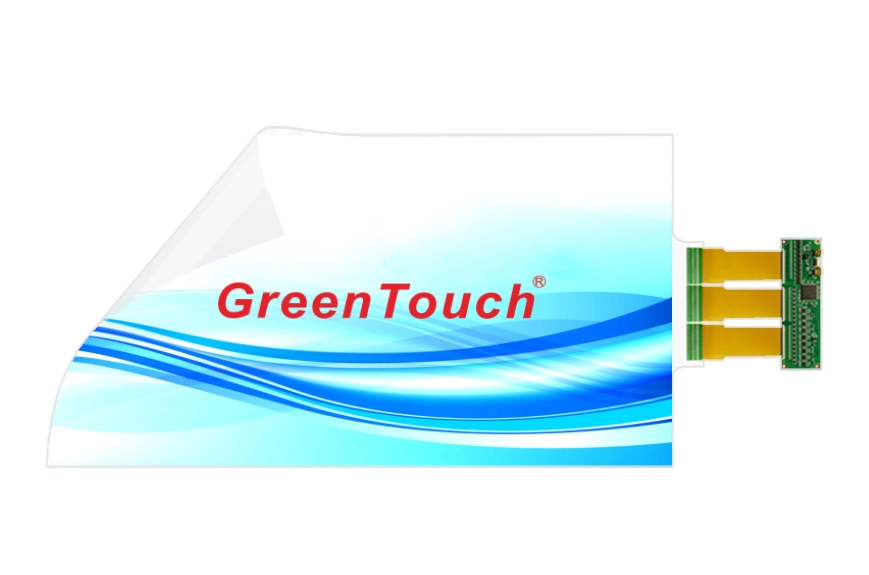
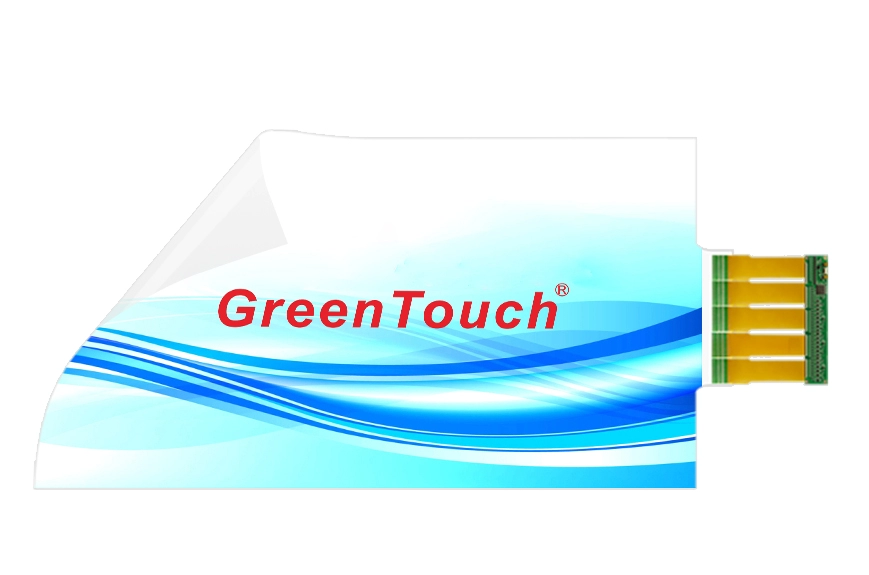
As digital signage, smart retail, self-service kiosks, interactive storefronts, smart meeting rooms, and public information systems continue to expand, capacitive touch foil, also known as capacitive touch film, is becoming an increasingly important technology in the interactive display market in 2026.
Compared with conventional rigid touch panels, capacitive touch film offers high transparency, an ultra-thin structure, multi-touch capability, and flexible installation behind glass. It can transform ordinary glass surfaces, shop windows, display panels, and large-format screens into interactive touch interfaces without significantly changing the original display structure.

Large-format applications are one of the key industry trends in 2026. Recent market research estimates that the global large-size capacitive touch film market will grow from approximately USD 1.24 billion in 2025 to USD 1.37 billion in 2026 and may reach around USD 2.34 billion by 2032. Interactive digital signage, industrial control, healthcare equipment, collaboration displays, and public information terminals are among the major application areas driving adoption.
Transparent conductive materials are also evolving rapidly. In addition to traditional ITO technology, metal mesh and silver nanowire conductive films are supporting the development of touch sensors with higher transparency, lower electrical resistance, and greater mechanical flexibility. These technologies create new opportunities for larger displays, curved surfaces, flexible touch solutions, and customized interactive glass applications.

With the growth of AI-powered digital signage, smart retail, interactive advertising, intelligent kiosks, and smart public spaces, capacitive touch film is evolving from a simple touch component into an important interface connecting users, displays, and intelligent systems.
Looking ahead, large-format touch, multi-touch performance, high optical transparency, stable anti-interference capability, and flexible customization are expected to remain key development priorities for the capacitive touch film industry.