 RU
RU ZH
ZH IT
IT ES
ES TR
TR JA
JA PT
PT KO
KO FR
FR DE
DE AR
AR ID
ID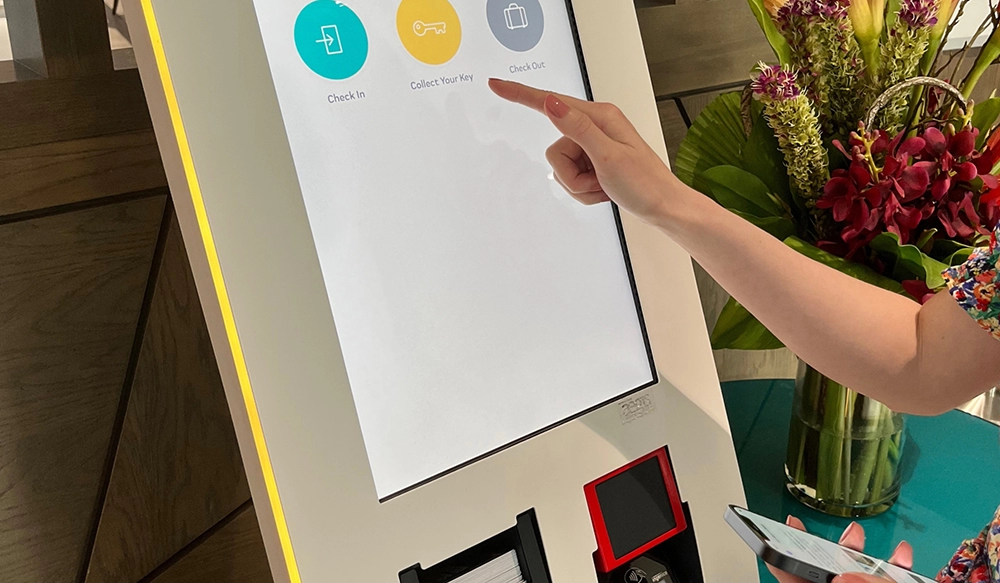
P3 introduces check-in/room key pickup kiosk
Learn More



Artificial intelligence is changing the way industrial equipment is monitored, controlled, and operated. In 2026, industrial touch displays are evolving beyond traditional interfaces into intelligent platforms that combine touchscreen interaction, real-time data visualization, edge computing, and AI-assisted industrial control.
For manufacturers, automation engineers, and system integrators, the combination of AI-powered HMI, intelligent touch interfaces, and industrial displays is creating new opportunities to improve productivity, equipment reliability, and operator efficiency.
Traditional industrial HMI systems primarily display machine status and allow operators to control equipment through predefined interfaces.
AI-powered HMI introduces a more intelligent layer.
By analyzing machine data, production information, alarms, and operator inputs, an AI-enabled HMI can help identify abnormal conditions, provide operational recommendations, and present important information in a more intuitive way.
Modern industrial touch monitors can therefore become more than display devices. They can serve as the interactive interface between operators, machines, sensors, and intelligent software systems.
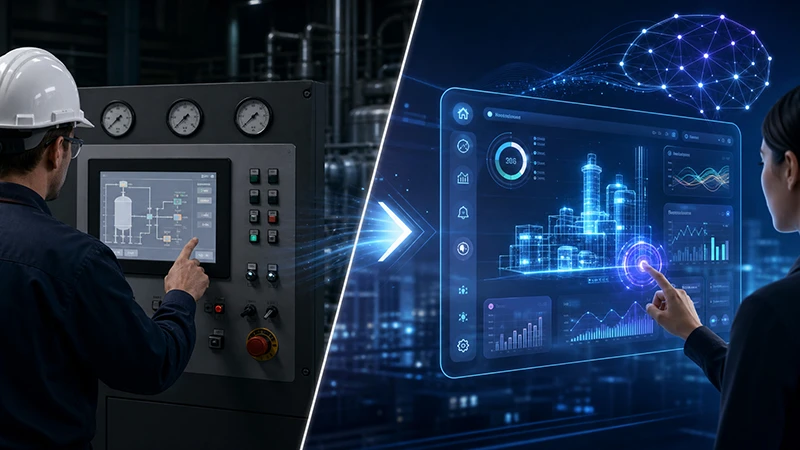
The industrial touchscreen is becoming an increasingly important part of human-machine interaction.
An intelligent touch interface can combine multi-touch input, gesture interaction, voice commands, contextual information, and AI-based software to create a more flexible operating experience.
For example, an operator working with a production machine could use a touch display to:
· Monitor equipment status
· Access production data
· Adjust operating parameters
· Review alarm information
· Navigate maintenance instructions
· Receive AI-assisted recommendations
This approach can simplify complex industrial workflows while reducing unnecessary steps for operators.
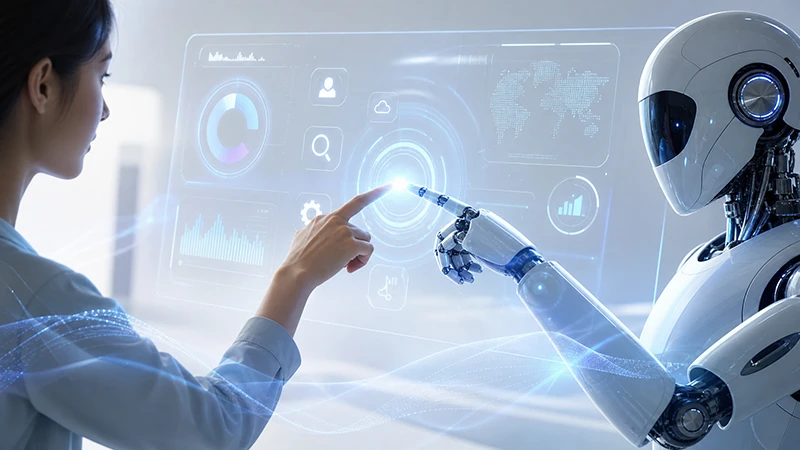
One of the most promising applications of AI in industrial automation is predictive maintenance.
Industrial equipment generates large amounts of data through sensors, controllers, motors, temperature monitoring systems, and other devices. AI algorithms can analyze this information to identify patterns that may indicate potential equipment problems.
An industrial touch display can provide a visual interface for this information.
Instead of simply displaying an alarm after a machine has failed, an AI-enabled system can potentially provide early warnings and maintenance recommendations.
For example, the interface could display:
Machine Status → Abnormal Trend → Risk Assessment → Maintenance Recommendation
This creates a more proactive approach to equipment management.
Cloud computing is useful for large-scale data processing, but many industrial applications require fast responses and reliable local operation.
This is where edge AI becomes increasingly important.
By processing data closer to the machine or industrial device, edge AI can reduce communication latency and allow certain AI functions to operate locally.
When combined with an industrial touch monitor, edge AI can support applications such as:
· Real-time equipment monitoring
· Local anomaly detection
· Production data analysis
· Machine vision integration
· Smart alarm management
· Intelligent operator assistance
This architecture is particularly valuable for industrial environments where response time, connectivity, and data security are important considerations.
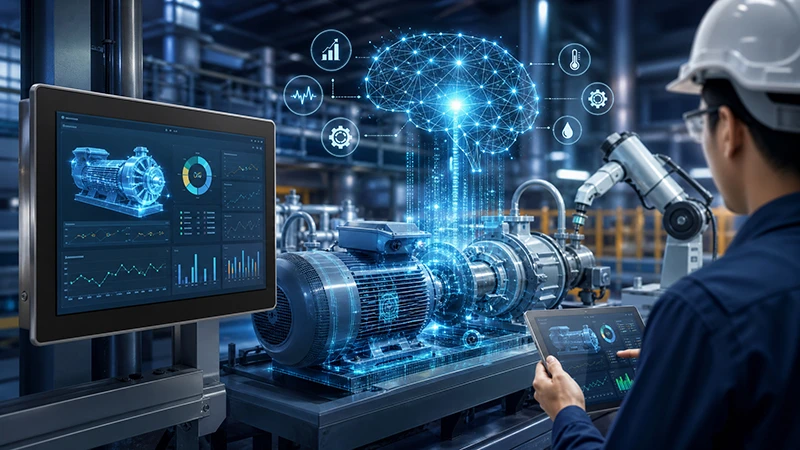
Industrial displays have traditionally been used to show numerical data, charts, alarms, and machine status.
AI is changing how this information can be presented.
With real-time data visualization, industrial touch displays can organize large amounts of production information into easier-to-understand dashboards.
AI can help identify important changes within the data and prioritize information that may require operator attention.
Instead of presenting hundreds of data points equally, an intelligent HMI can help highlight:
· Critical equipment conditions
· Production anomalies
· Performance trends
· Energy consumption changes
· Maintenance risks
· Production efficiency indicators
This can help operators focus on the information that matters most.
AI is also creating new possibilities for AI-assisted industrial control.
Rather than completely replacing human operators, AI can act as an intelligent assistant.
For example, an industrial touch display may provide recommendations based on machine conditions, historical data, and current production parameters while allowing the operator to make the final decision.
This human-in-the-loop approach can be particularly valuable in complex industrial environments where reliability and operator oversight remain essential.
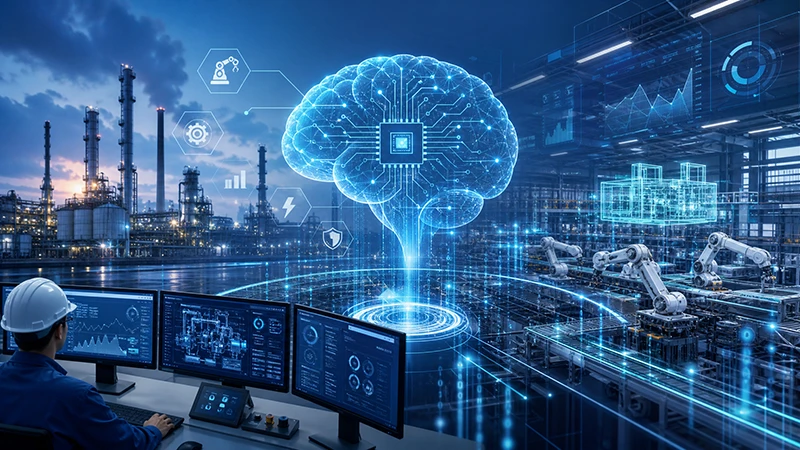
As industrial systems become more intelligent, the interface between humans and machines becomes increasingly important.
A modern industrial touch display needs to provide more than high-resolution images. Depending on the application, manufacturers may need to consider:
· High brightness for outdoor environments
· Wide viewing angles
· Glove touch capability
· Water and dust resistance
· Multi-touch support
· Optical bonding
· Anti-glare surfaces
· Wide operating temperature ranges
· Reliable long-term operation
· Compatibility with industrial computing platforms
These characteristics allow touch displays to operate as reliable interfaces within demanding industrial environments.
The future of industrial touch displays will likely involve deeper integration between display technology, touch sensing, AI, edge computing, and industrial automation.
The industrial monitor of the future may not simply show machine information. It could become an intelligent interaction hub connecting operators with machines, sensors, software, and AI systems.
From smart factories and robotics to transportation, energy, medical equipment, and outdoor automation, AI-powered touch interfaces are opening new possibilities for human-machine interaction.
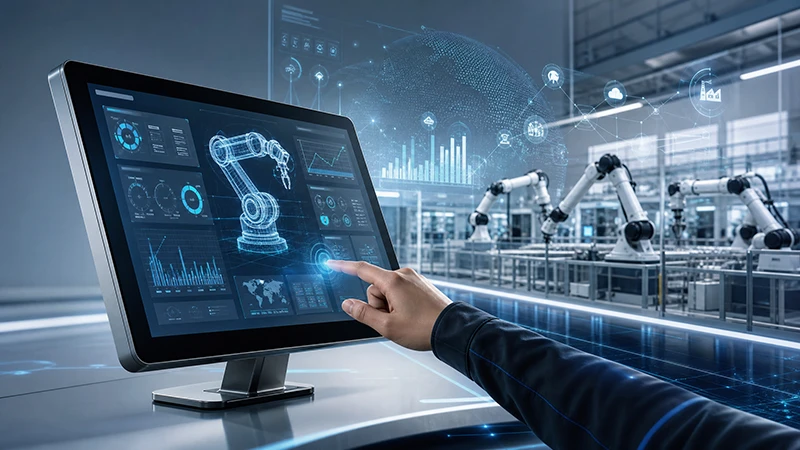
In 2026, AI is accelerating the evolution of industrial touch displays from traditional visualization devices into intelligent human-machine interfaces.
The combination of AI-powered HMI, intelligent touch interfaces, predictive maintenance, edge AI, real-time data visualization, and AI-assisted industrial control can help create more responsive, connected, and efficient industrial systems.
For manufacturers and system integrators, selecting the right industrial touch display is becoming an important part of building the next generation of intelligent industrial equipment.
As AI continues to move closer to the machine, the industrial touch display will play an increasingly important role in connecting people, machines, and intelligent systems.