 RU
RU ZH
ZH IT
IT ES
ES TR
TR JA
JA PT
PT KO
KO FR
FR DE
DE AR
AR ID
ID
Advantages of new energy vehicle display screens
Learn More



Choosing the right display is an important decision for businesses that rely on digital information, interactive kiosks, industrial equipment, or outdoor advertising. While a standard monitor may work well in controlled indoor environments, it often struggles when exposed to bright ambient light, temperature changes, or continuous operation. This is where a high brightness touch monitor offers significant advantages.
Whether you’re designing a self-service kiosk, deploying digital signage, or upgrading an industrial control system, understanding the differences between these two display types can help you make a smarter investment.
In this article, we’ll compare high brightness touch monitors with standard displays in terms of visibility, durability, operating environments, applications, and long-term performance.
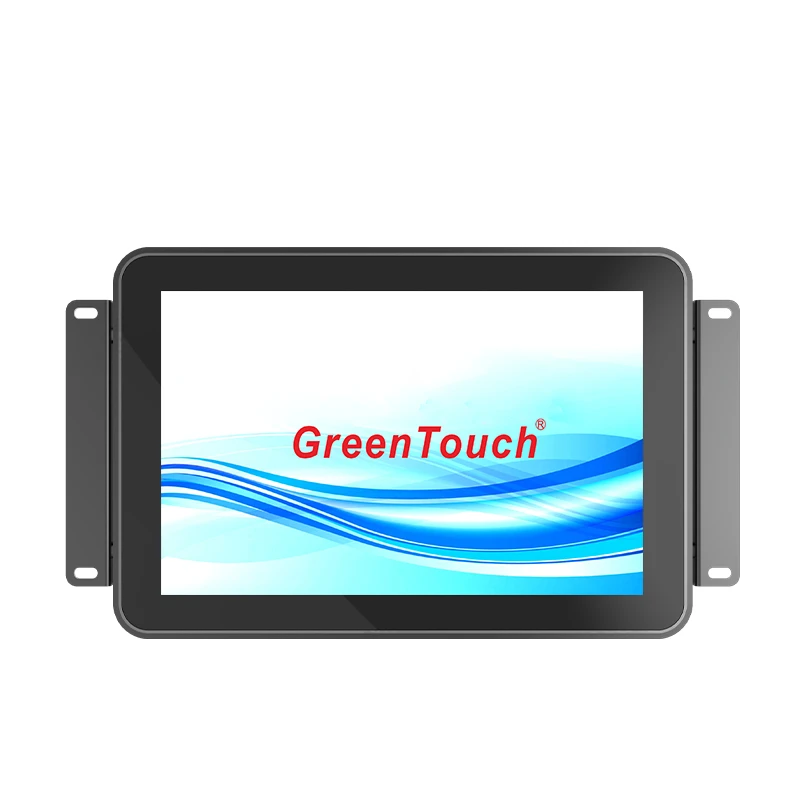
A High Brightness Touch Monitor 10.1-23.8 Inches is specifically designed for environments where traditional displays are difficult to read. Unlike standard commercial monitors that typically provide brightness levels between 250 and 350 cd/m², high brightness models deliver between 1000 and 1500 cd/m², making screen content clearly visible even under direct sunlight or in brightly lit public spaces.
Besides increased brightness, these monitors integrate responsive touch technology with rugged industrial construction, allowing users to interact with content quickly and accurately in demanding environments.
Standard LCD monitors are widely used in offices, homes, classrooms, and meeting rooms. They perform well when ambient lighting is controlled and exposure to environmental factors is minimal.
Typical advantages include:
· Lower power consumption
· Sufficient brightness for indoor use
· Affordable deployment for office environments
· Wide availability
However, standard displays are not designed for continuous outdoor exposure or industrial environments. Excessive sunlight often causes screen washout, making important information difficult or impossible to read.
For businesses serving customers outdoors or operating in harsh conditions, this limitation can directly affect user experience and operational efficiency.
The most obvious distinction is screen brightness.
A standard display usually produces:
· 250–350 cd/m²
A professional high brightness touch monitor provides:
· 1000–1500 cd/m²
This difference becomes immediately noticeable in locations such as:
· Outdoor ticket machines
· Drive-through ordering systems
· Public transportation terminals
· Digital wayfinding kiosks
· Retail storefront displays
· Factory production lines
Under strong daylight, standard displays appear dim and reflective. High brightness monitors maintain excellent readability, ensuring users can easily view menus, instructions, maps, or operational data.
Modern commercial systems increasingly require touch interaction rather than traditional keyboard and mouse input.
A high brightness touch monitor combines excellent visibility with accurate touch responsiveness.
Applications include:
· Self-service kiosks
· Interactive information terminals
· Industrial HMI systems
· Hospital registration systems
· Smart retail equipment
· Visitor management systems
Because users can quickly interact with the screen even under bright lighting conditions, businesses can reduce transaction time while improving customer satisfaction.
Environmental adaptability is another major difference.
Most standard displays operate reliably within normal indoor temperatures but may fail when exposed to extreme heat or freezing conditions.
The GreenTouch High Brightness Touch Monitor supports an impressive operating temperature range of:
-30°C to 70°C
This allows reliable operation in environments such as:
· Outdoor parking systems
· Smart transportation equipment
· Industrial manufacturing plants
· Logistics warehouses
· Energy facilities
· Public information terminals
Wide temperature support ensures stable performance throughout seasonal weather changes without frequent maintenance.
Standard office monitors are rarely engineered for continuous commercial operation.
By comparison, high brightness touch monitors are developed for:
· Outdoor environments
· Semi-outdoor installations
· Indoor commercial applications
Their durable design makes them suitable for long operating hours while maintaining display quality and touch accuracy.
For businesses installing equipment in public spaces, reliability is often more valuable than simply choosing the lowest-cost display.
Compatibility with existing hardware is another important consideration.
The GreenTouch monitor provides multiple interface options, including:
· VGA
· DVI
· HDMI
· DisplayPort (DP)
· MIC
· Audio
This broad compatibility allows straightforward integration with industrial computers, media players, embedded controllers, digital signage systems, and commercial PCs without requiring complex adapters.
Commercial equipment often needs to comply with international standards before deployment.
The High Brightness Touch Monitor is supported by multiple certifications, including:
· CE
· FCC
· RoHS
· CB
· EMC
· HDMI
· CCC
· IP65
· IK08
These certifications indicate compliance with safety, electromagnetic compatibility, environmental regulations, dust and water resistance, and impact protection requirements, giving system integrators greater confidence when selecting display equipment.
Compared with standard displays, high brightness touch monitors are suitable for a much broader range of industries.
Interactive kiosks help customers browse products, complete self-checkout, and access promotional information.
Airports, railway stations, bus terminals, and metro systems require readable displays under varying lighting conditions.
Production equipment requires clear visualization of machine status and process data regardless of factory lighting.
Hospitals benefit from responsive touch monitors used in registration systems, patient information terminals, and medical equipment.
Advertising displays remain visible throughout the day, helping businesses maximize the effectiveness of digital signage.
Selecting the right manufacturer is just as important as selecting the right product.
ShenZhen GreenTouch Technology Co., Ltd. is a professional manufacturer specializing in touch display technologies. Its product portfolio includes capacitive touch screens, resistive touch screens, infrared touch frames, nano touch foil, touch monitors, touch all-in-one PCs, advertising digital signage, conference interactive displays, educational all-in-one systems, and commercial advertising machines.
With extensive manufacturing experience and a strong focus on product quality, GreenTouch develops display solutions that combine high brightness, responsive touch performance, and reliable operation for commercial and industrial applications.
The company’s commitment to continuous innovation and international quality standards has enabled its products to be deployed across retail, transportation, industrial automation, healthcare, education, and many other industries.
The answer depends largely on your application.
A standard display remains an economical choice for offices and controlled indoor environments where lighting conditions remain stable.
However, if your project requires:
· Excellent sunlight readability
· Outdoor operation
· Wide operating temperature
· Interactive touch functionality
· Industrial reliability
· Long-term commercial performance
then a high brightness touch monitor offers significantly greater value over its operating life.
Businesses deploying customer-facing equipment or industrial systems often discover that improved visibility, higher reliability, and reduced downtime justify choosing a professional display solution from the beginning.
Although standard displays continue to serve many indoor applications effectively, they have clear limitations in bright, harsh, or continuously operating environments.
A High Brightness Touch Monitor 10.1-23.8 Inches provides the brightness, durability, touch responsiveness, environmental adaptability, and connectivity required for today’s commercial and industrial projects.
Whether you’re building outdoor kiosks, interactive retail systems, industrial control panels, or digital signage networks, selecting a professional high brightness display can improve usability, increase operational reliability, and deliver a better experience for both operators and end users.