 RU
RU ZH
ZH IT
IT ES
ES TR
TR JA
JA PT
PT KO
KO FR
FR DE
DE AR
AR ID
ID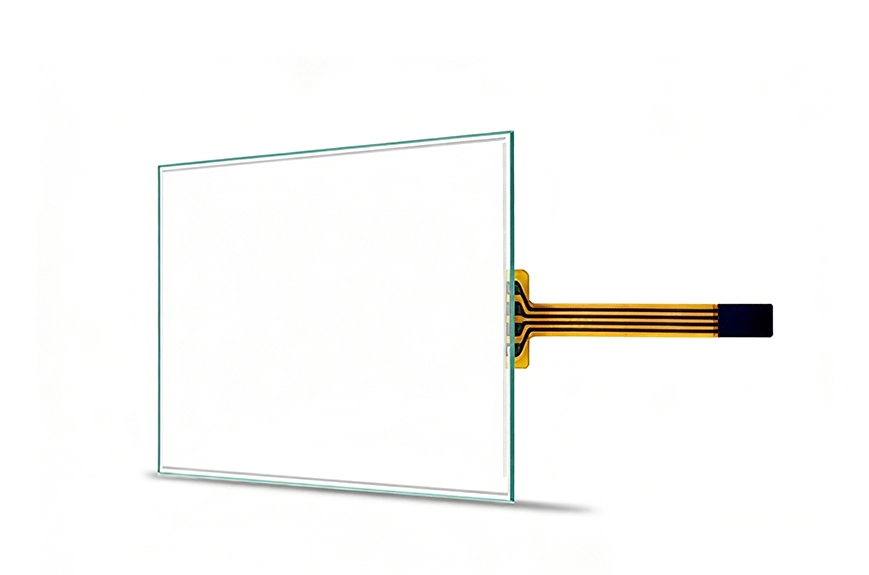
How Custom Resistive Touch Screens Help Equipment Makers Improve Product Compatibility
Learn More



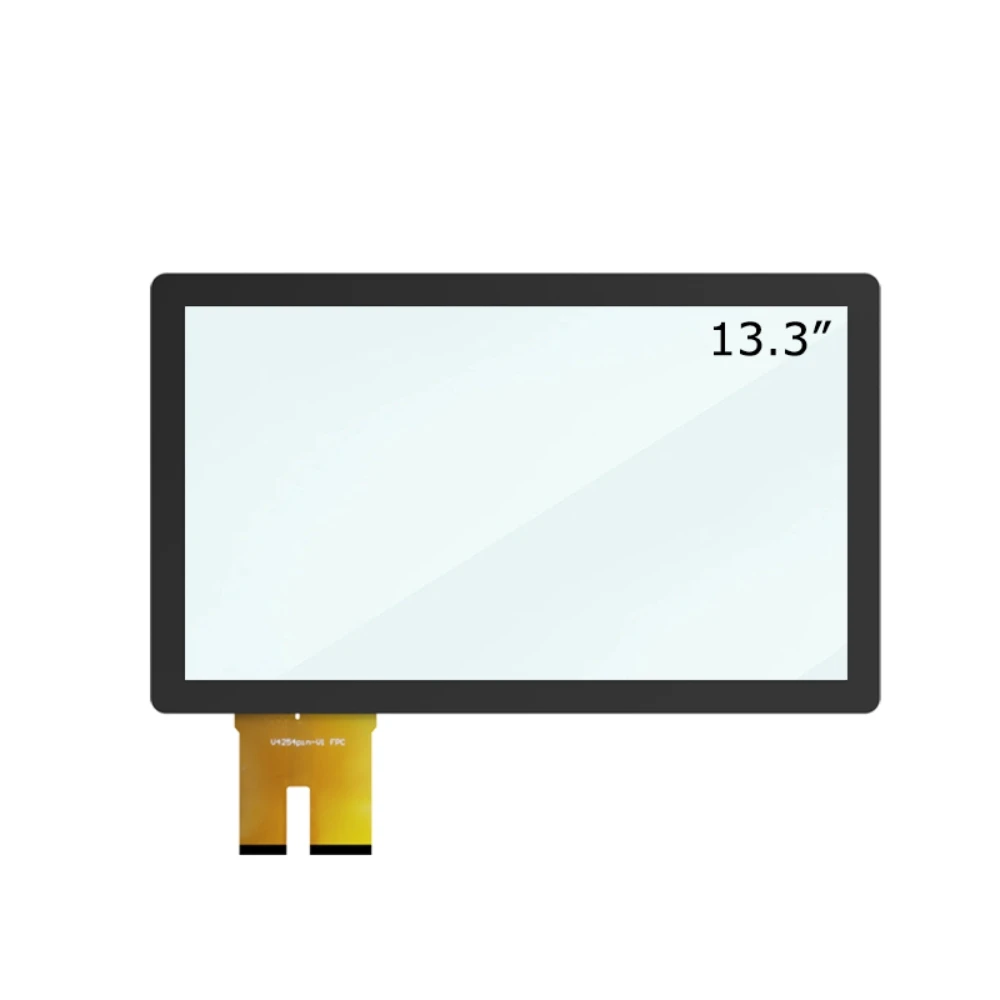
Embedded systems have become the backbone of modern smart devices. From industrial controllers and medical instruments to self-service terminals and smart home panels, these systems rely on intuitive human-machine interfaces (HMI) to deliver efficient operation. As touch technology continues to evolve, compact capacitive touch screens ranging from 3.5 to 13.3 inches have become a preferred choice for embedded applications because they combine responsive interaction, compact design, and long-term reliability.
Selecting the right Capacitive Touch Screen 3.5 to 13.3 Inches can significantly improve the performance, usability, and lifespan of embedded devices. Understanding how these touch solutions enhance system performance helps OEM manufacturers, system integrators, and product developers make better design decisions.
Unlike commercial displays designed primarily for entertainment or office use, embedded systems prioritize stability, responsiveness, and efficient use of space.
The 3.5 to 13.3-inch size range fits perfectly into equipment with limited installation space while still providing a comfortable operating interface. These touch screens are commonly integrated into:
Industrial HMI panels
Medical monitoring equipment
Smart home controllers
Access control terminals
Portable diagnostic devices
POS terminals
Smart vending machines
Transportation control systems
Agricultural equipment
IoT devices
Their compact dimensions allow manufacturers to design smaller, lighter, and more efficient products without sacrificing usability.
One of the biggest advantages of projected capacitive (PCAP) technology is its fast response speed.
Unlike resistive touch technology that depends on pressure, capacitive touch screens detect changes in the electrical field generated by the user’s finger. This allows commands to be recognized almost instantly.
For embedded systems, faster touch response means:
Quicker menu navigation
Reduced operating time
Higher user satisfaction
Improved workflow efficiency
In industrial environments where operators interact with equipment hundreds of times each day, responsive touch performance directly contributes to increased productivity.
Modern embedded software increasingly relies on gesture-based interaction.
Pinch-to-zoom, swipe, rotation, and multi-finger operation have become standard features in many professional devices.
Compact capacitive touch screens support multi-touch technology, allowing developers to create more intuitive operating interfaces without adding extra buttons or mechanical controls.
This simplifies hardware design while enhancing the overall user experience.
A touch interface is effective only when users can clearly read the display.
High-quality capacitive touch screens offer excellent optical transparency, allowing LCD panels to maintain bright colors, sharp images, and high contrast.
Additional optical enhancements may include:
Anti-glare glass
Anti-reflective coating
Optical bonding
High-transmittance cover glass
These features improve visibility under various lighting conditions, making embedded equipment easier to operate in factories, hospitals, offices, and public environments.
Embedded systems are often deployed in demanding environments where dust, vibration, humidity, and temperature changes are common.
Industrial-grade capacitive touch screens are designed to withstand these conditions through:
Chemically strengthened cover glass
Durable sensor structures
Stable touch controllers
High-quality electronic components
Optimized sealing designs
These design features help maintain accurate touch performance while reducing maintenance requirements over the product’s operating life.
Space optimization is one of the most important considerations during embedded product development.
Smaller touch screens allow engineers to reduce equipment size without compromising functionality.
This offers several practical benefits:
Lower equipment weight
Easier installation
Better internal component layout
Improved thermal management
More attractive product appearance
Compact touch displays are particularly valuable for handheld devices, portable instruments, and wall-mounted control systems.
Every embedded application has unique mechanical and electrical requirements.
Manufacturers often require customized solutions to ensure seamless integration.
Customization options may include:
Custom cover glass
Silk printing
Company logo printing
Different glass thicknesses
USB, I2C, or Serial interfaces
FPC cable customization
Mounting hole modifications
Waterproof structures
Glove touch support
High-brightness displays
These customized solutions help reduce redesign costs while accelerating product development.
Industrial equipment typically remains in service for many years.
Stable touch performance throughout the product lifecycle is therefore essential.
High-quality capacitive touch screens use industrial-grade components designed for continuous operation, helping reduce failures caused by component aging or unstable touch detection.
Reliable touch solutions also minimize service interruptions and improve overall equipment availability.
For OEM and ODM projects, consistency is just as important as performance.
Professional manufacturers implement strict quality management throughout production.
Typical testing procedures include:
Optical inspection
Touch sensitivity testing
High and low temperature testing
Vibration testing
Reliability verification
Functional inspection
Electrical testing
These quality control processes ensure every touch screen performs consistently across large production volumes.
Selecting the right supplier can have a significant impact on project success.
Beyond supplying hardware, an experienced manufacturer should provide engineering support, customization capabilities, stable production capacity, and reliable after-sales service.
ShenZhen GreenTouch Technology Co., Ltd. is a professional manufacturer of touch products. The company specializes in developing capacitive touch solutions for industrial automation, medical devices, commercial equipment, self-service kiosks, transportation systems, and smart embedded applications. With extensive OEM and ODM experience, GreenTouch offers customized touch products that meet the diverse requirements of equipment manufacturers worldwide.
Compact capacitive touch screens from 3.5 to 13.3 inches play a critical role in improving embedded system performance. Their responsive touch technology, compact size, optical clarity, multi-touch capability, and long-term reliability make them suitable for a wide range of industrial and commercial applications.
For OEM and ODM projects, selecting the right touch solution involves more than choosing a screen size. Mechanical compatibility, interface options, environmental durability, and manufacturing quality all contribute to the overall success of the final product.
By partnering with an experienced manufacturer like ShenZhen GreenTouch Technology Co., Ltd., equipment manufacturers can develop reliable embedded systems that deliver excellent user experiences while meeting demanding operational requirements.