 RU
RU ZH
ZH IT
IT ES
ES TR
TR JA
JA PT
PT KO
KO FR
FR DE
DE AR
AR ID
ID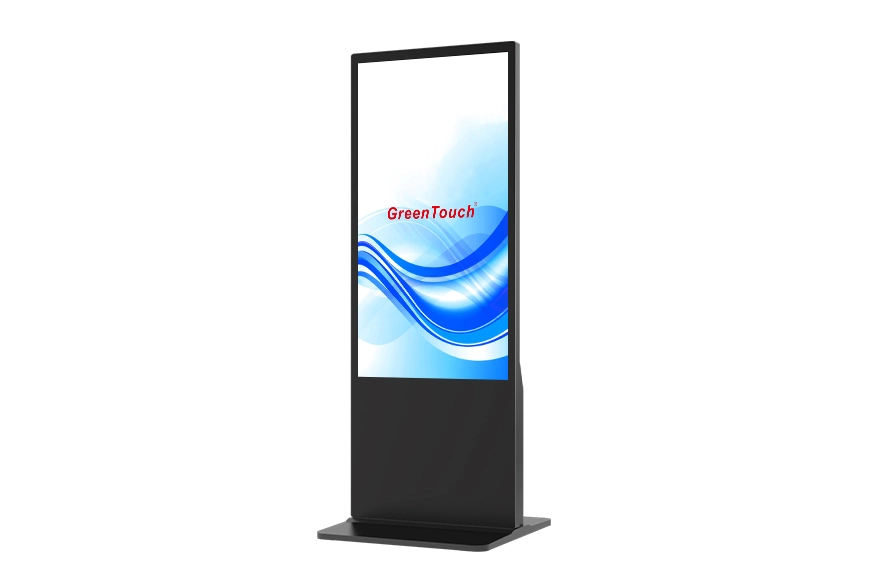
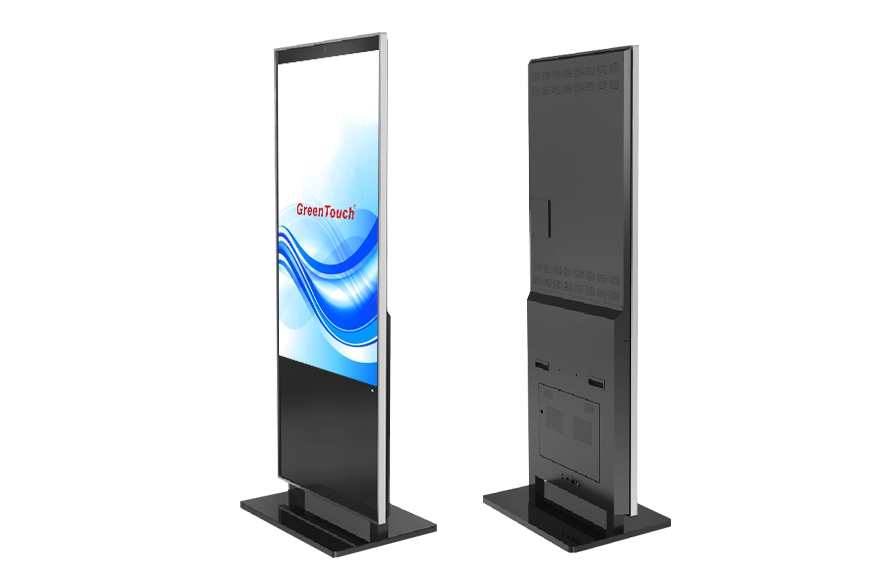
10-Point Capacitive Touch: How 6C Floor Standing Digital Signage Enables Interactive Information Display
Learn More



When buyers look for a custom touch solution, the first comparison often starts with product specifications. Size, structure, interface, and application requirements usually come first. But once an OEM or industrial project moves beyond inquiry stage, another question becomes far more important: who is actually making the product, and how much real support can that supplier provide during development and mass production?
This question matters a lot in custom Resistive Touch Screen supply. For standard off-the-shelf projects, a trading company or general distributor may be enough. For custom supply, that is usually not the case. A custom project involves more variables, more communication, and more risk points. The supplier is no longer just shipping a component. The supplier becomes part of the product development process.
That is why many OEM buyers prefer to work directly with a source factory. The value is not only in manufacturing. It is in the ability to solve problems early, control details during production, and keep the project stable after launch.
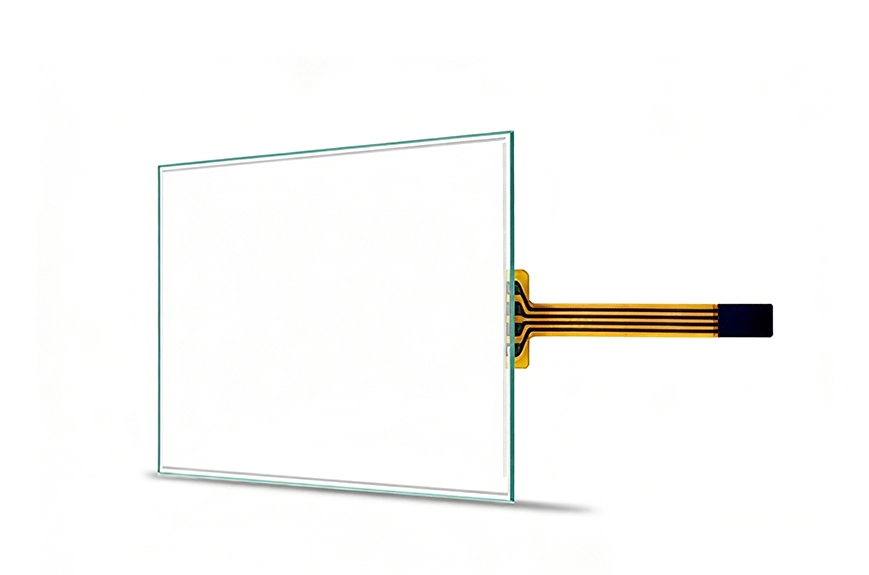
A standard product order is relatively simple. The buyer selects a model, confirms basic specifications, requests samples, and checks delivery. But custom resistive touch screen supply is different. Even if the required change seems small, the project often involves a chain of decisions tied together.
A customer may need:
At that point, the project is no longer just about buying a screen. It becomes a coordination task between design, engineering, production, testing, and long-term supply management. A source factory is generally in a better position to handle that kind of work because it controls more of the process directly.
One of the biggest differences between a source factory and a non-manufacturing supplier is decision speed. In custom supply, many questions cannot be answered well through repeated relays between sales layers. If the buyer needs to confirm drawing feasibility, tail direction, structure adjustment, or production limits, the response needs to come from people close to actual manufacturing.
When the supplier is a source factory, the decision path is shorter:
This matters because OEM projects rarely move in a straight line. Drawings are updated. Enclosures change. Mounting conditions shift. Buyers often adjust details after prototype testing. A source factory is better equipped to respond to those changes without losing project rhythm.
A reliable custom supplier should do more than send a price sheet and lead time estimate. In resistive touch screen projects, many of the important decisions happen before order placement. The supplier needs to understand how the screen fits into the full product.
For example, a buyer may need a custom resistive touch screen for:
In each case, the engineering concerns are different. The screen may need to fit a narrow bezel opening, align with an older motherboard, match a metal housing, or maintain stable operation under glove use. These issues cannot be solved by catalog comparison alone.
A source factory can usually provide better support in areas such as:
That kind of support often makes the difference between a screen that is merely available and a screen that is actually usable in production.
Many suppliers can provide a good sample. The harder part is maintaining consistency after approval. In OEM supply, the sample is only the beginning. Buyers need confidence that the same structure, touch response, appearance, and interface quality will continue in repeat orders.
This is one of the strongest advantages of working with a source factory. Because production is handled directly, the factory can usually manage process consistency more effectively. That includes:
For custom resistive touch screens, this is especially important. A slight variation in size, connector placement, or touch performance can affect final assembly or device function. If the project is part of an OEM equipment line, even small inconsistencies can create rework on the customer side.
A factory partner that understands this risk is more valuable than a supplier focused only on shipping confirmed items.
Another area where source factories often perform better is documentation continuity. In custom touch projects, documentation is part of the supply itself. Buyers may need to refer back to drawings, structure changes, sample records, validation notes, or previous project versions months later.
A source factory is more likely to keep these details connected to real production data. That makes it easier to:
This becomes increasingly important for industrial and commercial equipment, where product lifecycles are often much longer than in consumer electronics.
Even when buyers are not focused on component price, they still care deeply about total project cost. In custom sourcing, hidden costs often come from delay, miscommunication, redesign, unstable quality, or poor sample conversion.
For example, a supplier that cannot confirm structure issues early may cause repeated sample revisions. A supplier that lacks production discipline may create inconsistencies in mass orders. A supplier that does not retain project details well may create avoidable problems during reorder cycles.
These issues do not always show up in the first quotation, but they have real impact on:
A source factory is often a better partner because it can reduce these indirect risks, not just provide the product itself.
For buyers evaluating custom supply partners, factory background matters. It is not just about whether the company says it can customize. It is about whether it has the production base, process control, and quality system to support that promise.
GreenTouch Technology is a professional manufacturer of touch products, with a product portfolio that includes capacitive touch screens, resistive touch screens, infrared touch frames, nano touch foil, touch screen monitors, touch all-in-one PCs, advertising digital signage, conference touch all-in-one PCs, teaching all-in-one PCs, and advertising machines. The company has established a fully automatic production line and a fully enclosed dust-free workshop, which gives it stronger control over production environment and process execution.
For custom resistive touch screen supply, this kind of manufacturing setup is important because it supports more disciplined production and more stable project follow-through. GreenTouch Technology also operates under ISO9001 quality management system certification and ISO14001 environmental management system certification, with products managed in line with strict quality procedures. In addition, the company’s product certifications include CE, FCC, CB, RoHS, UL, CCC, and HDMI, which helps support international market requirements and buyer qualification needs.
Custom resistive touch screen projects are often not one-time jobs. Buyers may start with one device model, then extend the same structure to multiple sizes or product series. They may need replacement supply for years. They may also need adjustments as their product evolves.
A source factory is usually better suited to grow with that process because it has more visibility into the technical background of the project. Over time, that can lead to better cooperation in:
This kind of partnership matters a lot in industrial, medical, retail, and equipment markets where long-term product stability is a real business requirement.
If the project requires custom resistive touch screen supply, buyers should not stop at asking whether the supplier can customize. They should look deeper into how the supplier works.
Useful questions include:
The more complete these answers are, the more likely the supplier is to become a dependable partner instead of just a temporary vendor.
A source factory becomes a better partner for custom resistive touch screen supply because custom work is not just about manufacturing output. It is about how well the supplier supports development, controls details, manages consistency, and responds across the full project cycle.
For OEM buyers, that support can improve communication efficiency, reduce engineering friction, strengthen production stability, and make long-term supply easier to manage. In practical terms, the factory is not only making the screen. It is helping the buyer build a more reliable product.
That is why, in custom resistive touch screen projects, source-factory cooperation is often the smarter path.