 ZH
ZH IT
IT ES
ES TR
TR JA
JA PT
PT KO
KO RU
RU FR
FR DE
DE AR
AR ID
ID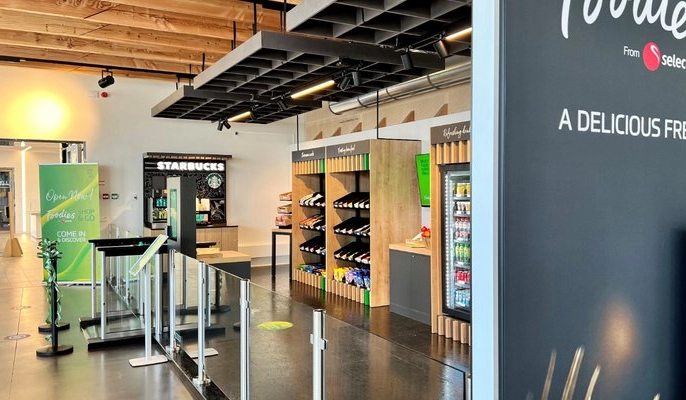
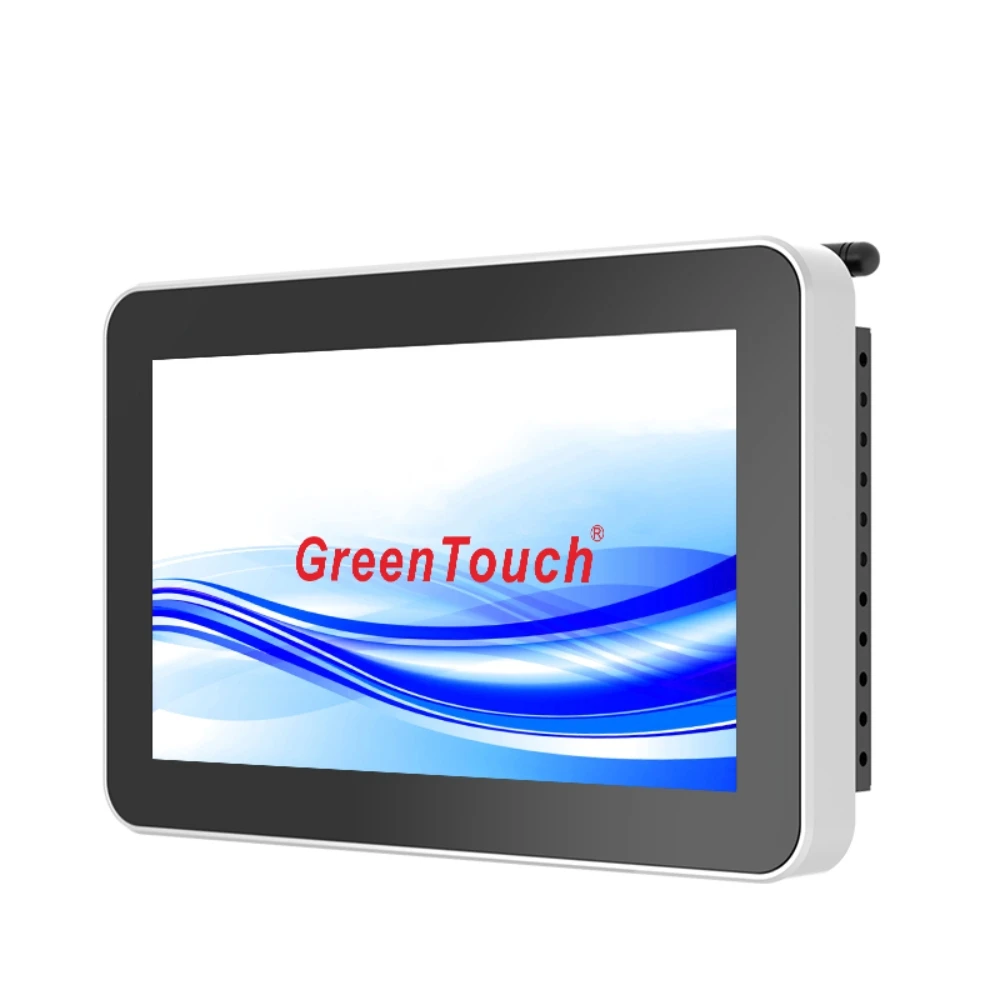
Automated store with touch screen
Learn More



When buyers discuss interactive display projects, the first conversation often focuses on the product itself: size, transparency, touch points, surface compatibility, or installation method. Those points are important, but in custom work they are only half the story. The other half is the factory behind the product.
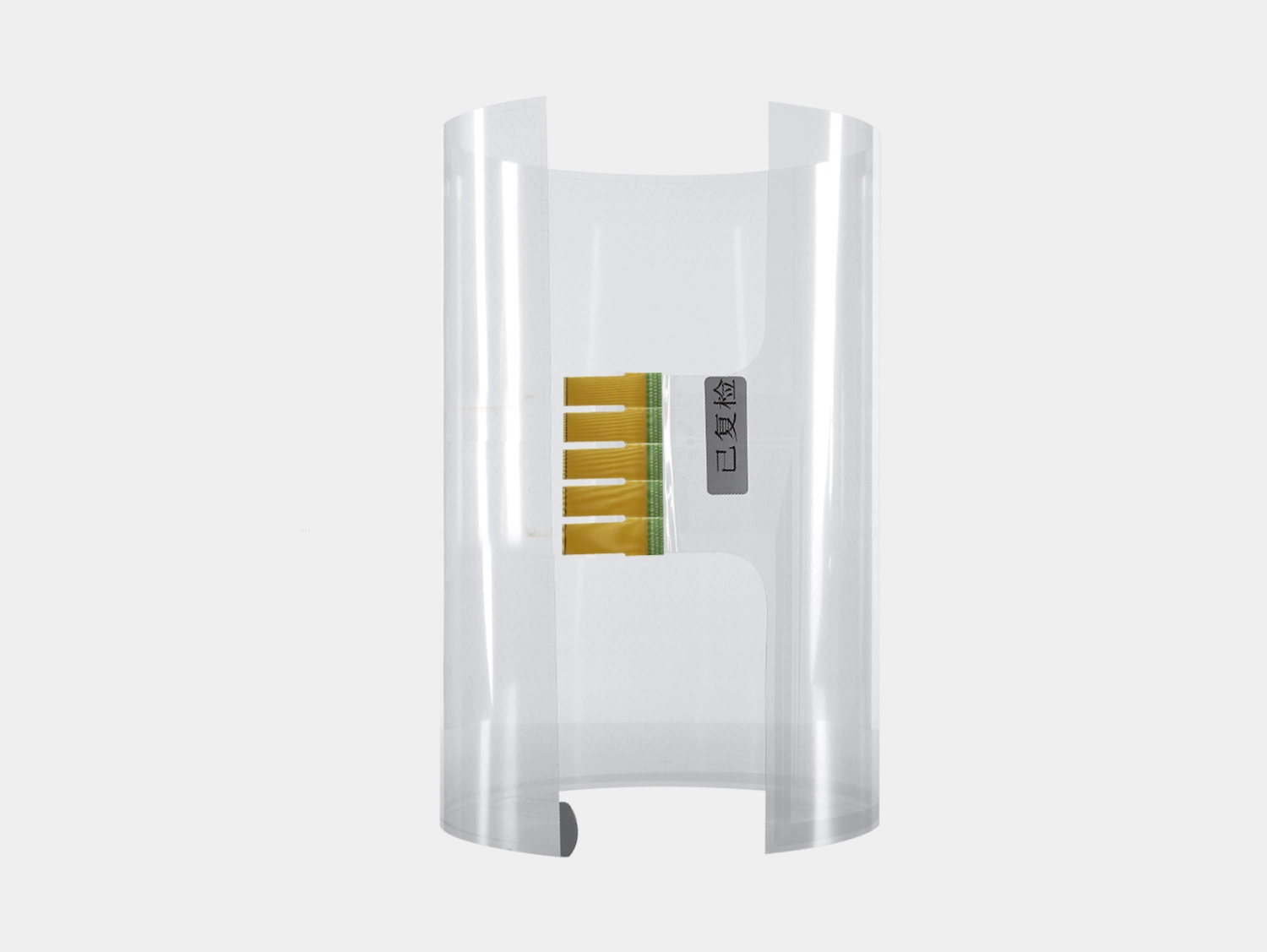
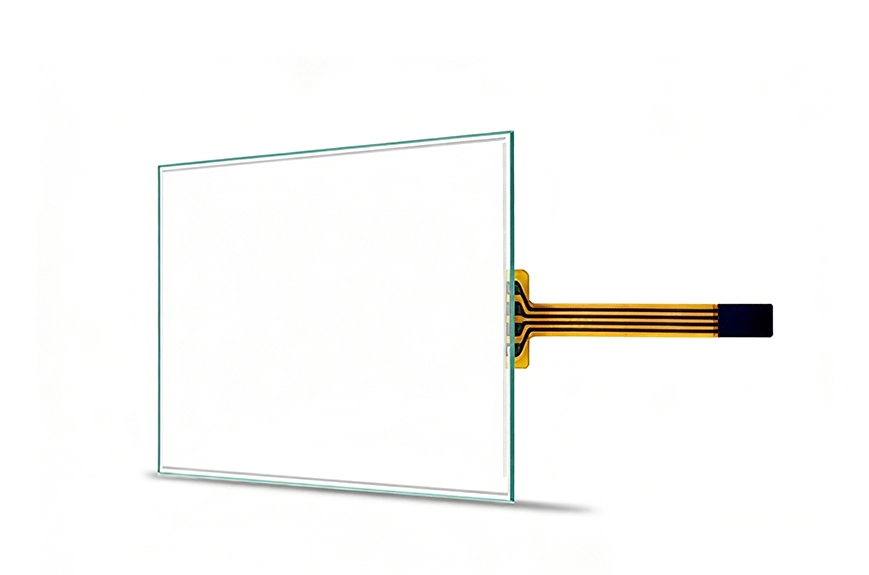
That matters especially in projects involving Interactive Touch Foil. Unlike a standard off-the-shelf monitor, touch foil is frequently used in non-standard environments. One project may involve a retail glass window, another may require a curved acrylic presentation surface, and another may be part of a large-format transparent display system in a commercial or public setting. In those situations, buyers are not simply buying a touch component. They are depending on a factory to help turn a project idea into a workable and repeatable result.
That is why a professional interactive touch foil factory is more valuable than a general supplier in custom projects. The difference is not only in production. It is in communication, process control, customization capability, and project continuity.
Standard products are easier to compare because buyers can line up model numbers and specifications. Custom projects work differently. Success often depends on details that do not seem dramatic at the inquiry stage but become critical later.
For interactive touch foil, those details can include:
A professional factory adds value because it treats those details as engineering requirements, not as afterthoughts. That is especially important in projects where the final system must look clean, fit precisely, and work reliably in front of end users.
Many suppliers can send a catalog. Fewer can discuss how the touch foil will behave once it becomes part of an actual interactive solution. For custom work, that difference is significant.
A professional factory looks at questions such as:
That kind of thinking is valuable because custom projects usually do not start from a finished product. They start from a use case. A factory that understands use cases can help buyers avoid preventable mistakes before those mistakes reach the installation stage.
Interactive touch foil is not isolated hardware. It works together with the surface chosen by the customer. GreenTouch Technology’s product is applicable to glass, acrylic, and polycarbonate, which already covers the most common materials used in commercial transparent display projects.
But on a real project, “compatible” is not enough by itself. The buyer usually also needs to know:
A professional factory is valuable because it can discuss compatibility in a practical way. Instead of just saying that the foil works with those materials, it can help connect the material choice to the final project effect.
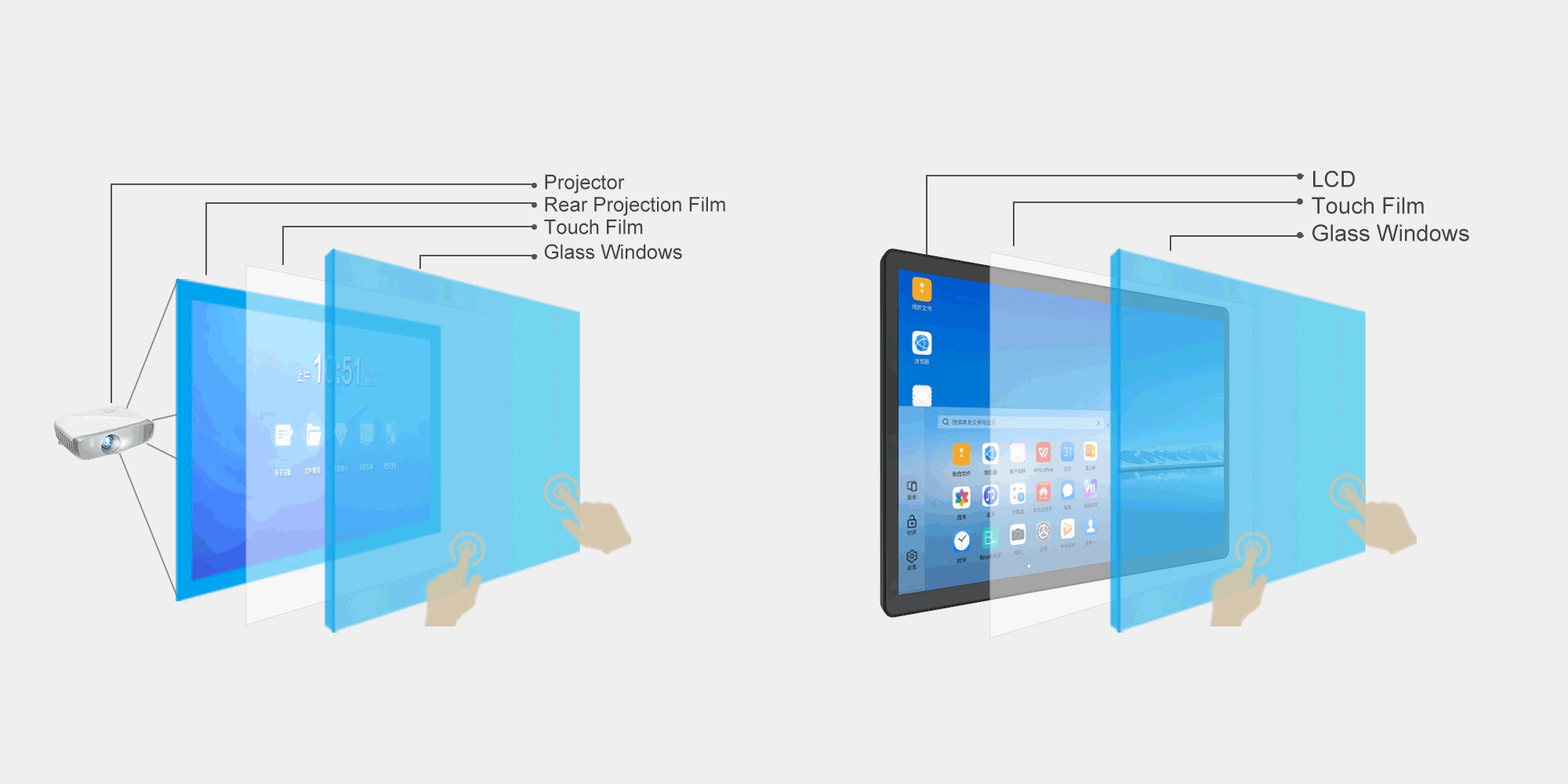
Many suppliers say they offer customization. In practice, what buyers need is controlled customization. There is a big difference between accepting a request and being able to manufacture that request consistently.
GreenTouch Technology lists several customizable points for its touch foil:
For a custom project, these options are meaningful only when the factory can manage them in a disciplined way. A buyer may need different sizes for multiple rollout sites, a brand logo for commercial consistency, or anti-glare treatment for a brightly lit window environment. If those elements cannot be handled repeatably, the project becomes difficult to scale.
A professional factory adds value by making customization dependable rather than optional in theory.
This is one of the biggest differences between touch foil and many standard touch products. A conventional monitor arrives as a finished unit. Interactive touch foil becomes part of the final system through installation.
That means a factory is more valuable when it can support project thinking around:
GreenTouch Technology’s product packaging includes the foil, controller, and USB line, and the company also offers pasting services. That is important because custom buyers often need more than material supply. They need a practical route from product delivery to usable touch function.
In many cases, the value of a factory lies in helping buyers reduce installation uncertainty.
In a standard device, the display frame and housing often do much of the visual work. With interactive touch foil, the touch layer is part of the display surface itself. That makes optical performance a more sensitive issue.
GreenTouch Technology highlights:
These features are especially important in custom projects because buyers are often working on surfaces that must remain visually attractive. A retail storefront, a museum display, or a showroom glass panel cannot afford to lose too much clarity or elegance after the touch function is added.
A professional factory is valuable because it understands that the project is not judged only by whether the touch works. It is judged by whether the final surface still looks right.
As the project gets larger, supplier quality becomes even more important. GreenTouch Technology’s touch foil ranges span from XTM at 10.1 to 32 inches, XTA at 32 to 65 inches, XTB at 42 to 153 inches, and XTC at 43 to 180 inches. This broad size coverage is useful, but it also means the factory must manage a wider production and application range.
Large-format interactive projects often carry extra pressure:
In that context, a professional factory becomes valuable because buyers need confidence that the product will not only work in sample form, but also remain consistent in execution across real project sizes.
For many custom installations, the touch surface will be placed in an environment with public contact, cleaning, dust, or sustained daily use. GreenTouch Technology’s touch foil features include IP67 waterproofing, vandal resistance, and anti-pollution performance.
A professional factory adds value here because durability does not come only from a feature list. It comes from whether the product is actually produced and controlled to deliver that level of use performance consistently.
For buyers, this matters in spaces such as:
When a project is custom, there is often less tolerance for failure because there may not be a standard replacement path. Factory reliability matters more in those cases.
A custom project is often the beginning, not the end. A buyer may start with one pilot installation, then later want to expand it to other branches, markets, or environments. This is where professional factory value becomes especially visible.
A strong factory can support scale by helping with:
This is often what separates a one-time supplier from a long-term project partner. In custom interactive touch foil work, scalability is closely tied to factory discipline.
Custom projects always carry more risk than standard purchases. The buyer is not just asking, “Does this product exist?” The buyer is asking, “Will this project work, and will the supplier still be reliable when we need the next phase?”
GreenTouch Technology is a professional manufacturer of touch products, covering capacitive touch screens, resistive touch screens, infrared touch frames, nano touch foil, touch screen monitors, touch all-in-one PCs, advertising digital signage, conference touch all-in-one PCs, teaching all-in-one PCs, and advertising machines. The company has its own trademark, a fully automatic production line, and a fully enclosed dust-free workshop.
GreenTouch Technology also operates under ISO9001 quality management system certification and ISO14001 environmental management system certification, and its products are controlled under strict quality procedures. Certifications including CE, FCC, CB, RoHS, UL, CCC, and HDMI further support buyer confidence in manufacturing discipline and global project readiness.
For custom buyers, this kind of background reduces uncertainty. It suggests the company is not only selling a product, but operating with a system.
When evaluating an interactive touch foil factory for a custom project, buyers should look past the product sheet and ask practical questions:
The more clearly a supplier can answer those questions, the more valuable it becomes in custom project work.
A professional interactive touch foil factory is valuable for custom projects because custom work depends on more than product availability. It depends on how well the factory can understand the application, manage the details, support the installation path, and maintain consistency over time.
For buyers building custom interactive glass, window, acrylic, or display solutions, that kind of factory support can directly affect project quality, rollout confidence, and long-term usability. In many cases, the real value is not just that the factory can produce the foil. It is that the factory can help make the project achievable.