 ZH
ZH IT
IT ES
ES TR
TR JA
JA PT
PT KO
KO RU
RU FR
FR DE
DE AR
AR ID
ID
AI-Powered Intelligent Self-Service Kiosk Solutions: Enabling the Future of Smart Interaction
Learn More



A large number of display projects do not start with a blank sheet of paper. In many cases, the physical surface is already there. It may be a glass storefront, an acrylic product board, a transparent meeting room partition, or a built-in display cover in a custom equipment structure. The challenge is not how to add another piece of hardware. The challenge is how to turn that existing surface into a usable interactive interface without rebuilding the whole installation.
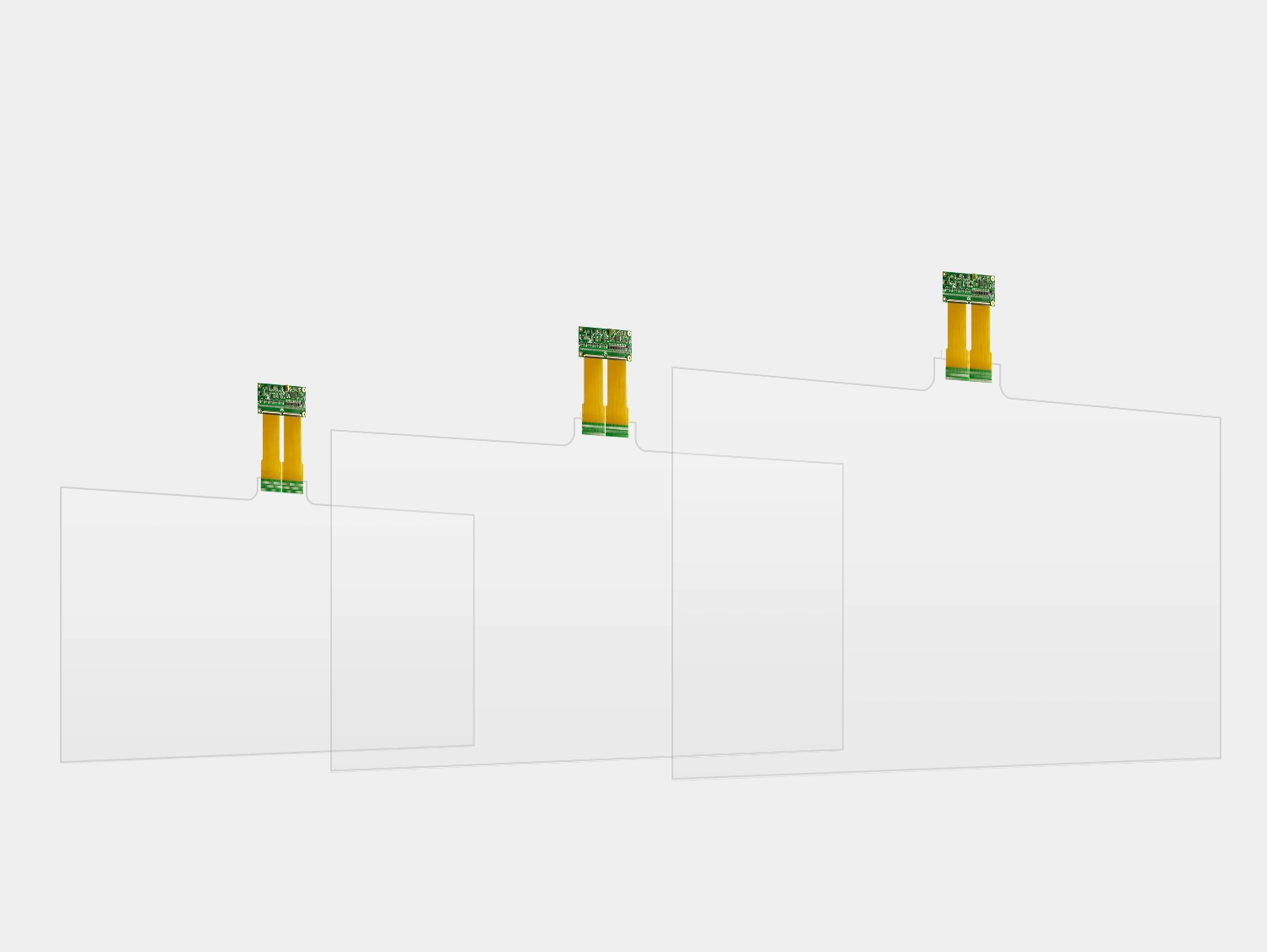
This is where Interactive Touch Foil becomes highly practical. Instead of replacing glass, window panels, or display surfaces with conventional framed touch hardware, interactive touch foil adds touch capability directly to the material already used in the project. For OEM buyers, system integrators, retail fixture builders, and commercial display contractors, that changes both the engineering path and the final user experience.
The value of interactive touch foil is not only that it adds touch. Its real value is that it helps existing surfaces do more while keeping the original design concept intact.
A window can display a brand message.
A glass wall can divide a space.
An acrylic panel can hold product information.
A display cover can protect a screen.
On their own, these surfaces are useful, but passive. Once they are upgraded into touch interfaces, they become active communication tools. A retail window can guide customers through a product catalog. A glass partition in a showroom can become a presentation wall. A transparent information panel can let users explore details by themselves. A protective display surface can become part of the interaction rather than just part of the structure.
This is why interactive touch foil is gaining attention in spaces such as:
In these projects, the surface is already valuable. The goal is to increase its function without destroying its appearance.
Traditional touch solutions usually require buyers to install a separate touch-enabled product. That may work well when the project is centered on a finished device, such as a touch monitor or an all-in-one unit. But when the project already includes a transparent or custom-designed surface, a standard screen can feel like an extra layer instead of a natural part of the system.
Interactive touch foil changes the logic. It allows the project team to keep the original medium and add touch on top of it. GreenTouch Technology’s product is suitable for glass, acrylic, and polycarbonate, which makes it especially useful for custom display structures already built around those materials.
This matters because many buyers are not trying to replace a surface. They are trying to preserve it and upgrade it at the same time.
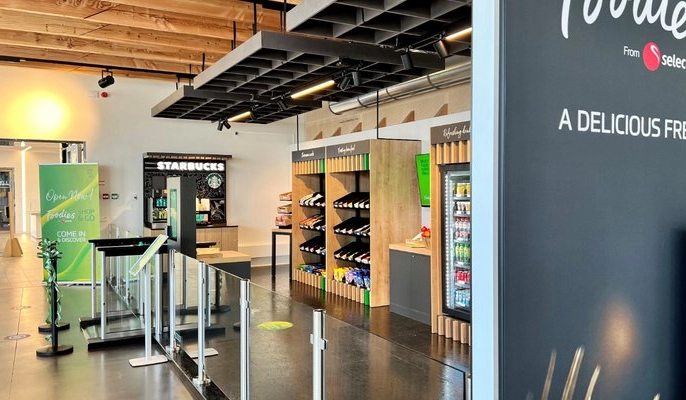
Retail and commercial windows are one of the clearest examples. A normal window is mainly visual. It can attract attention, but it cannot respond. Once touch foil is added, the same surface can support browsing, product exploration, digital navigation, campaign interaction, or guided information access.
This can be useful for:
The advantage is that the window keeps its transparent and premium look while gaining touch functionality. That is a major difference from putting a conventional monitor behind or in front of the space. The window continues to feel like part of the architecture, but it becomes much more useful.
Interactive touch foil is not limited to retail. In office, education, and presentation environments, glass surfaces are often used because they look open and modern. But they are usually underused as communication tools. Once touch capability is added, those same surfaces can support:
For projects like these, a separate monitor may not be the best visual choice. Buyers often want the room to stay clean, simple, and professional. GreenTouch Technology’s touch foil supports straight or curved use and integrated frameless installation, which is especially suitable for projects where visual simplicity matters.
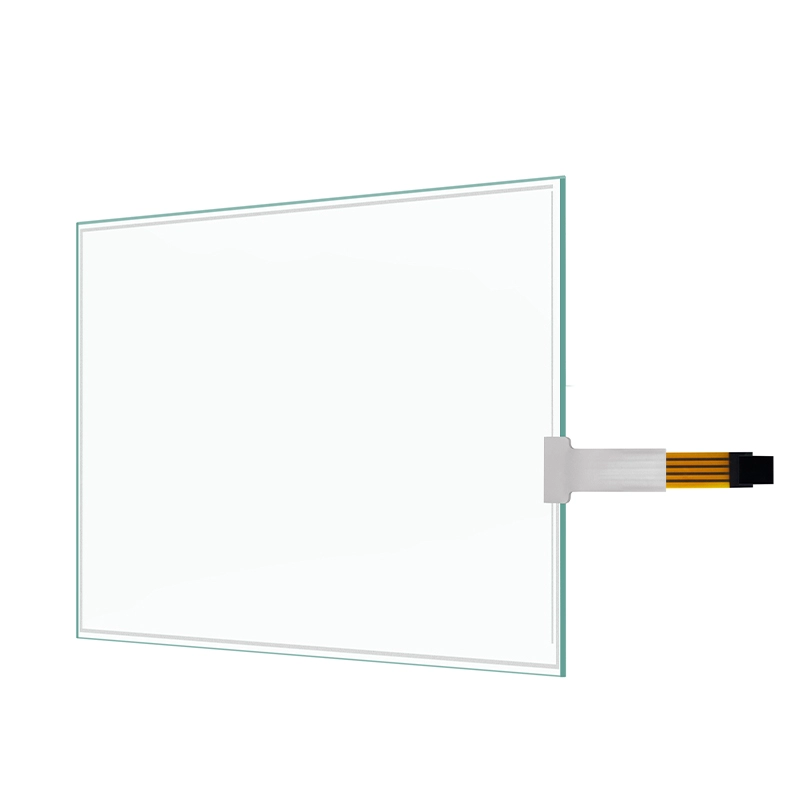
One reason interactive touch foil works well in upgrade projects is its construction. GreenTouch Technology uses ultra-thin 0.2 mm transparent PET film. That matters because bulky materials would work against the whole purpose of upgrading a transparent or premium surface.
With a thin transparent film structure, the touch layer is much easier to integrate into projects where appearance cannot be compromised. Buyers who work on custom fixtures, glass systems, or branded presentation spaces often care about small structural differences. A solution that looks too heavy, too mechanical, or too visible can reduce the quality of the final installation.
In that sense, touch foil helps because it supports interaction without forcing a strong hardware presence onto the surface.
Another reason buyers adopt touch foil is scale flexibility. Many glass and display projects are not built around standard monitor dimensions. A storefront may be much wider than a conventional display. A presentation wall may need a custom interaction zone. A transparent acrylic product board may have a proportion that does not match standard touch hardware.
GreenTouch Technology’s interactive touch foil lines cover several size ranges:
This gives project teams more freedom to match the touch layer to the actual display surface. That is one of the biggest strengths of foil-based interaction. Instead of redesigning the project to fit the hardware, the buyer can choose a touch solution that better fits the project.
When a buyer upgrades glass or transparent material into a touch interface, visual quality is just as important as touch response. If the added touch layer makes the surface look dull, cloudy, or hard to read, the result will not meet the project goal.
GreenTouch Technology highlights transmittance of at least 93 percent, strong penetration, and full-angle anti-glare. These features matter because upgraded surfaces still need to function as displays, windows, or transparent presentation layers. In many branded commercial spaces, the optical effect is not secondary. It is central to the value of the installation.
This is also why customization options such as AG, AF, and AR are important. Different surfaces and environments need different optical treatments. Buyers working on higher-end commercial projects often need these details to ensure the touch layer fits the final lighting and viewing conditions.
A surface upgrade only works if users feel that the touch response is natural. Buyers do not want a project that looks impressive in concept but becomes frustrating in real use. GreenTouch Technology’s touch foil uses Interactive PCAP with 40-point touch, along with accurate positioning and strong touch penetration ability.
For practical projects, this supports:
This is especially useful when the upgraded surface is large enough for more than one person to interact with it. In collaborative commercial or educational environments, multi-touch support is no longer a luxury. It is often part of the expected experience.
Many upgraded touch surfaces are installed in public-facing environments. They may be touched repeatedly, cleaned frequently, or exposed to dust and daily traffic. That means the upgrade has to be more than visually attractive. It also has to be practical.
GreenTouch Technology’s interactive touch foil features include IP67 waterproofing, vandal resistance, and anti-pollution performance. These points matter for projects such as:
Buyers increasingly want touch solutions that can survive real usage, not just controlled demonstrations. These durability-related features make surface upgrades more commercially workable.
Interactive touch foil is not just a sheet of film. It is part of a usable system. GreenTouch Technology’s standard packing list includes the touch foil, controller, and USB line. That reflects an important point for OEM and project buyers: the real value lies in turning the upgraded surface into a functioning interface, not just supplying raw material.
GreenTouch Technology also supports customization in size, logo, and pasting services. That is especially important in upgrade projects because the installation process often determines whether the final result looks professional. For a buyer managing a rollout across multiple sites, consistent installation support can make a significant difference.
Upgrading a surface into a touch interface is often more project-sensitive than buying a standard monitor. It requires coordination around substrate, size, optical needs, and installation conditions. That is why manufacturer background matters.
GreenTouch Technology is a professional manufacturer of touch products, including capacitive touch screens, resistive touch screens, infrared touch frames, nano touch foil, touch screen monitors, touch all-in-one PCs, advertising digital signage, conference touch all-in-one PCs, teaching all-in-one PCs, and advertising machines. The company operates with its own trademark, a fully automatic production line, and a fully enclosed dust-free workshop. It has passed ISO9001 and ISO14001 certifications, and its products have obtained CE, FCC, CB, RoHS, UL, CCC, and HDMI certifications.
For buyers, this kind of background gives more confidence that the touch foil is not just a concept product, but part of a broader, disciplined manufacturing system.
Interactive touch foil helps upgrade glass, window, and display surfaces into touch interfaces by changing what those surfaces can do without changing what they fundamentally are. A window stays a window, but it becomes interactive. A glass panel stays transparent, but it becomes functional. A display surface stays visually clean, but it gains multi-touch capability.
For modern commercial, educational, and OEM projects, that is a powerful advantage. It allows buyers to build smarter interactive systems without giving up the architectural, transparent, or branded qualities of the original surface.
When the goal is to make an existing surface more useful, more intelligent, and more engaging, interactive touch foil offers a practical path forward.