 ZH
ZH IT
IT ES
ES TR
TR JA
JA PT
PT KO
KO RU
RU FR
FR DE
DE AR
AR ID
ID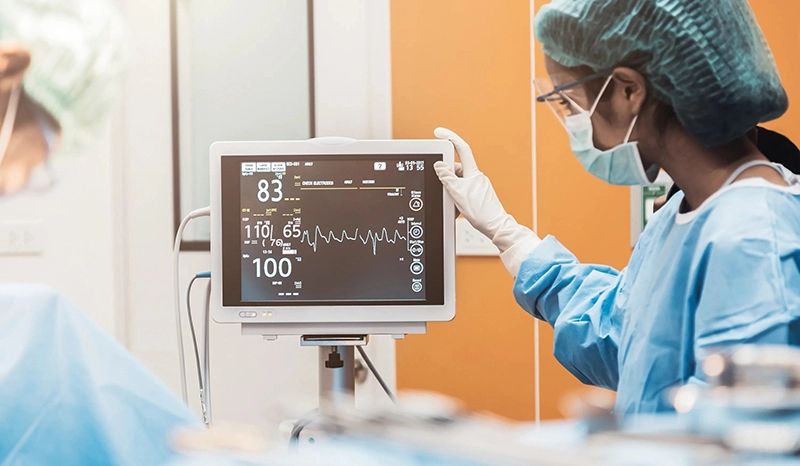
What are the medical applications of touch screen?
Learn More



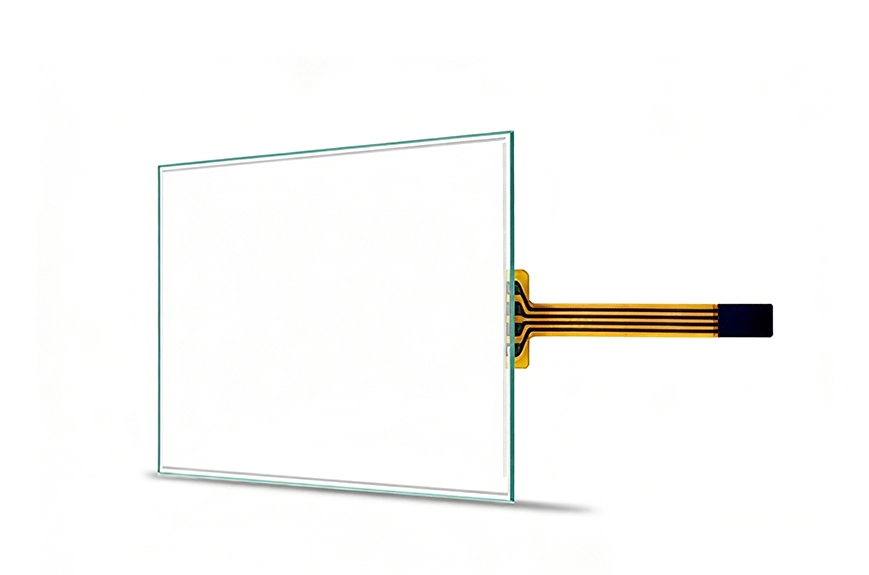
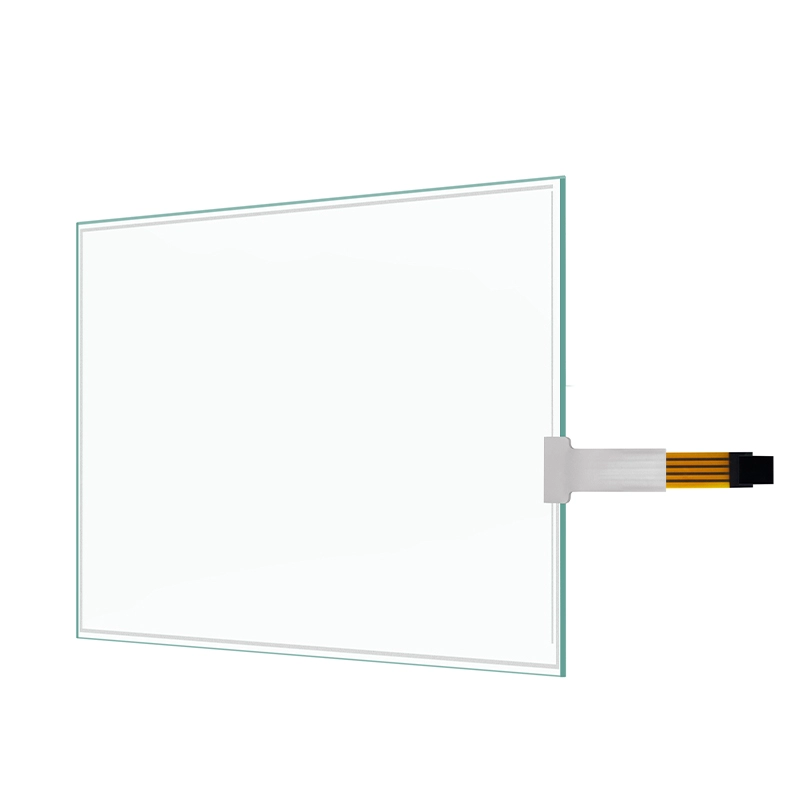
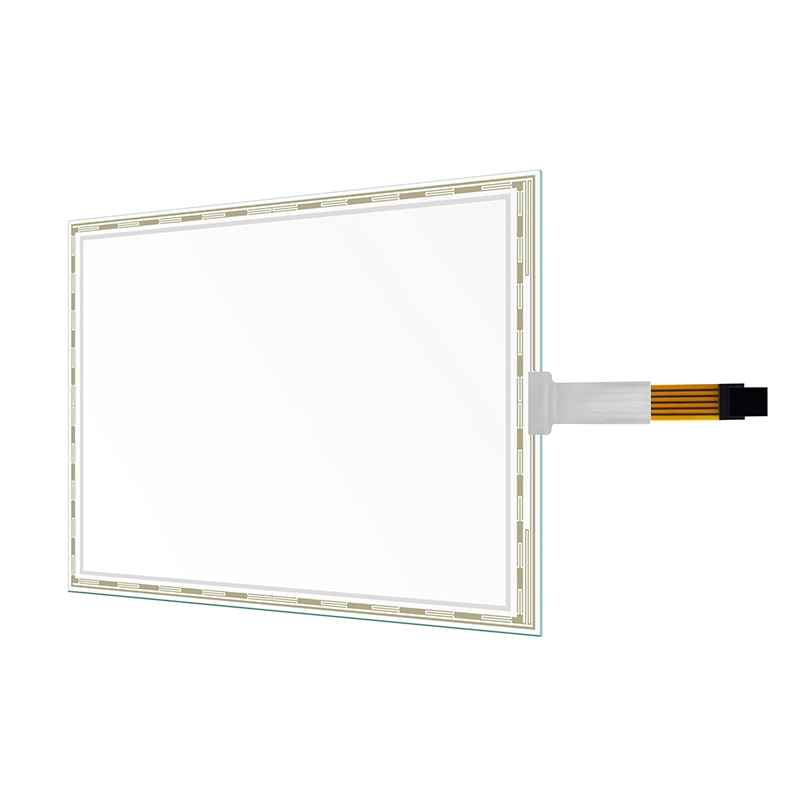
In many discussions about modern touch technology, capacitive solutions tend to get most of the attention. They are often associated with sleek consumer devices and multi-touch experiences. But in industrial environments, touch performance is judged by a different standard. Buyers are not looking for novelty. They are looking for reliability, compatibility, easy integration, and stable long-term supply. That is exactly why the Resistive Touch Screen still holds a strong position in industrial applications.
For equipment manufacturers, system integrators, and OEM buyers, resistive touch technology continues to offer practical advantages that directly match real operating conditions. In factories, medical devices, control terminals, POS systems, and outdoor or semi-protected equipment, the touch interface must work consistently under pressure, with gloves, with styluses, and across different user habits. In these cases, resistive touch screens are not outdated. They are often the more appropriate engineering choice.
Industrial touch interfaces are exposed to far more demanding conditions than consumer electronics. Operators may be wearing work gloves. The screen may be used in dusty workshops, on machinery panels, or inside devices that need quick, accurate touch input without relying on bare fingers. Some systems are still designed around single-point input rather than gesture control. In these situations, resistive touch screens remain highly relevant because they respond to pressure instead of depending on the electrical properties of the human body.
This means the input method is more flexible. A resistive touch screen can be operated by finger, gloved hand, stylus, or pen-like tool. For industrial control systems, that flexibility is not a minor feature. It can directly affect workflow continuity, operator convenience, and safety.
In addition, many industrial systems do not need the kind of touch experience required for consumer tablets or smartphones. They need simple, repeatable command entry. Buttons, menu navigation, number input, and function selection are still the most common forms of interaction. For these use cases, resistive technology continues to provide a dependable solution.
Another reason resistive touch screens remain important is their integration flexibility. Many industrial and commercial devices still use compact or mid-sized displays, and resistive solutions are well suited for these size ranges. From handheld terminals and diagnostic equipment to embedded control panels and self-service machines, the design priority is usually stable performance within a controlled functional structure.
Resistive touch screens are commonly used in:
For many of these products, the manufacturer is not redesigning the full user interaction system from scratch. Instead, they are improving an existing machine, updating a model, or sourcing a touch component that matches current production needs. A resistive touch screen is often easier to align with existing product structures, controller requirements, and operating logic.
Not all touch screen suppliers serve industrial buyers in the same way. For OEM projects, working with a source factory offers advantages that go beyond price discussions. What matters more is technical communication, stable production, quality control, and the ability to customize the product according to the equipment design.
A source factory is better positioned to support:
When the touch screen is part of a larger machine or device, every detail matters. Thickness, mounting method, active area, connector position, and durability all influence final assembly. A trading company may be able to quote a standard item, but a source factory is more likely to understand how the component fits into the finished product and what modifications are required for mass production.
This is one reason manufacturers continue to prefer factory-direct cooperation for industrial touch products. It reduces uncertainty in development and makes it easier to manage long-term supply.
In many industrial settings, touch performance is not measured by how many fingers can operate the screen at once. It is measured by whether the interface still works after repeated use, whether it responds clearly to intended input, and whether it can keep equipment operational without frequent failure.
Resistive touch screens are valued because they support straightforward input logic and stable response under routine industrial use. They are especially useful in environments where water droplets, dust, gloves, or non-conductive tools would interfere with other touch technologies. They are also a practical option for applications where precise point selection is more important than gesture-based navigation.
For device manufacturers, this matters because the touch screen is not just a display accessory. It is a key operating part of the equipment. If the touch layer does not respond consistently, the entire product experience suffers. In industrial markets, buyers care deeply about this kind of functional reliability.
A large number of industrial and commercial devices still rely on established hardware and software systems. In many cases, buyers are not developing an entirely new platform. They are continuing a proven system architecture that has already passed field testing. In such cases, resistive touch screens are often preferred because they match the technical expectations of the existing device.
This includes compatibility with:
For OEM and replacement projects, compatibility is often just as important as performance. A touch solution that looks modern but disrupts the overall product design may create more engineering burden than value. A resistive touch screen often helps manufacturers maintain continuity while still improving supply quality and component consistency.
Industrial buyers usually ask more serious questions than general retail customers. They want to know whether the supplier has a stable production process, whether the workshop environment is controlled, whether certifications are complete, and whether product quality can remain consistent over repeated orders.
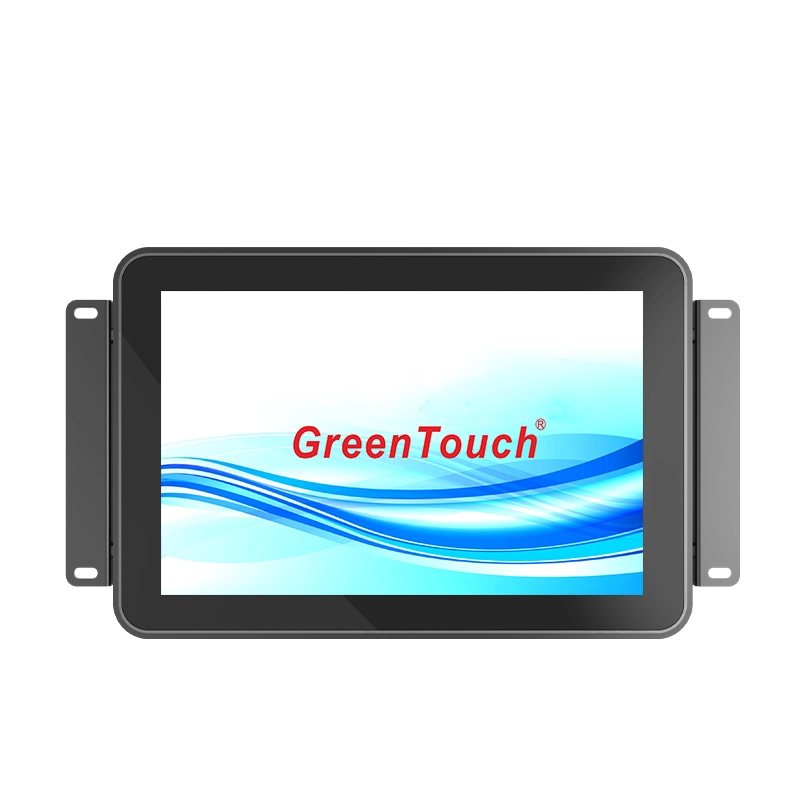
GreenTouch Technology has built its manufacturing capabilities around this type of requirement. As a professional touch product manufacturer, the company covers a broad product range including capacitive touch screens, resistive touch screens, infrared touch frames, nano touch foil, touch monitors, touch all-in-one PCs, and digital signage products. With its own trademark, automated production line, and fully enclosed dust-free workshop, GreenTouch Technology is positioned to support customers who need both standard products and structured OEM cooperation.
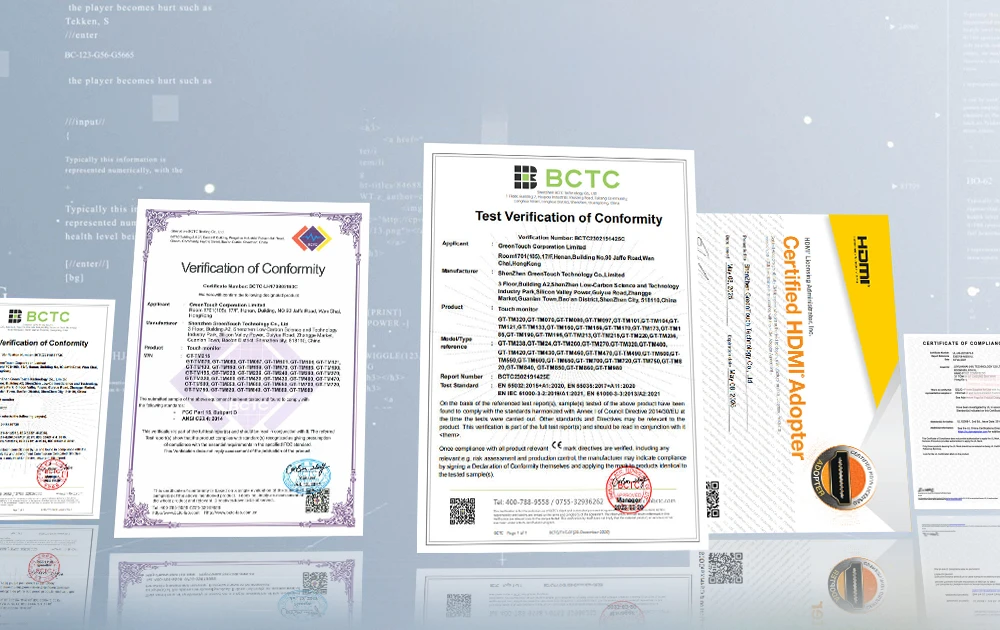
The company has passed ISO9001 quality management system certification and ISO14001 environmental management system certification, and its products are managed under strict quality control procedures. Certifications such as CE, FCC, CB, RoHS, UL, CCC, and HDMI further reflect the company’s focus on product compliance and global market readiness. For industrial customers, this kind of manufacturing background gives more confidence than general claims alone.
Industrial product lifecycles are often much longer than consumer product cycles. Machines may stay in service for years. Spare parts, maintenance support, and model continuity all matter. A touch component used in an industrial display today may still need to be sourced or replaced years later.
That is why many buyers continue to choose resistive touch technology for long-cycle projects. It offers a practical balance between usability, integration convenience, and supply continuity. For applications that do not require advanced gesture interaction, resistive touch screens remain a technically sound and commercially sensible solution.
The market has changed, but industrial demand has not disappeared. In fact, the more specific the application, the more important it becomes to choose touch technology based on actual operating conditions rather than trend-driven assumptions.
Resistive touch screens still matter in industrial applications because industrial buyers are solving practical problems, not chasing consumer trends. They need stable touch response, glove operation, integration flexibility, and dependable supply. For many control systems, medical devices, kiosks, and equipment interfaces, resistive technology continues to deliver exactly what is needed.
For OEM buyers and equipment manufacturers, the value becomes even stronger when working with a source factory that understands industrial production and customization requirements. That is where product quality, engineering support, and supply stability come together.
In an industry where performance is judged in daily operation rather than showroom presentation, resistive touch screens remain a useful and relevant choice.