 RU
RU ZH
ZH IT
IT ES
ES TR
TR JA
JA PT
PT KO
KO FR
FR DE
DE AR
AR ID
ID
RK3566 vs RK3568 vs RK3588: Which Panel PC Fits Your System?
Learn More



Recently, a project titled "Life Cycle Carbon Footprint Assessment and Green Manufacturing Optimization for Industrial All-in-One Touch PCs"—jointly conducted by a renowned domestic intelligent manufacturing research institute and several leading electronics manufacturers—achieved significant interim results. For the first time, this study systematically established a carbon footprint accounting model covering the entire process—from raw material acquisition, manufacturing, and transportation/distribution to usage/maintenance and recycling/disposal—providing a scientific basis for the green transformation of industrial equipment.
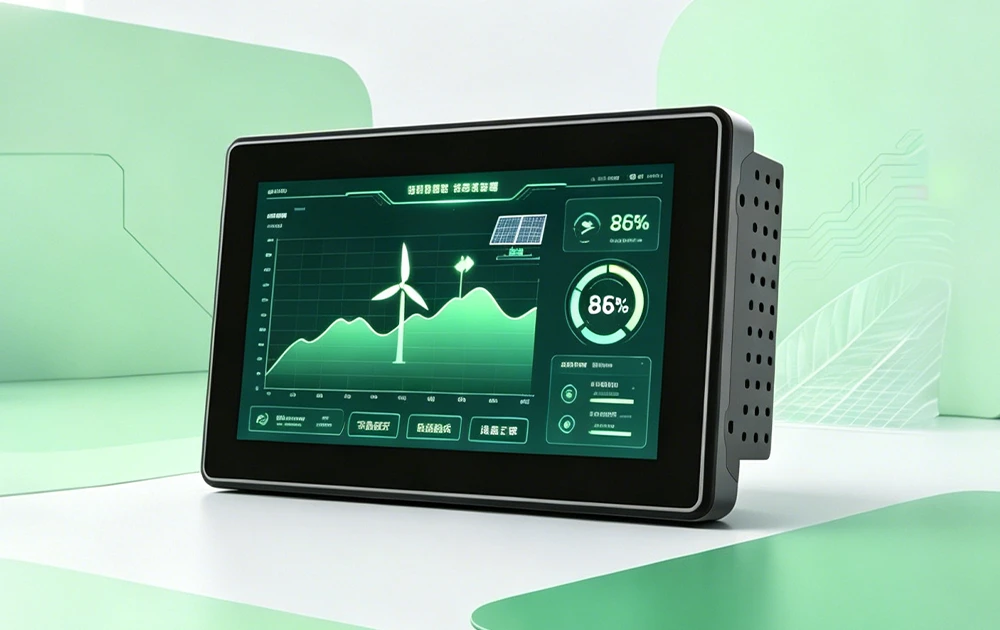
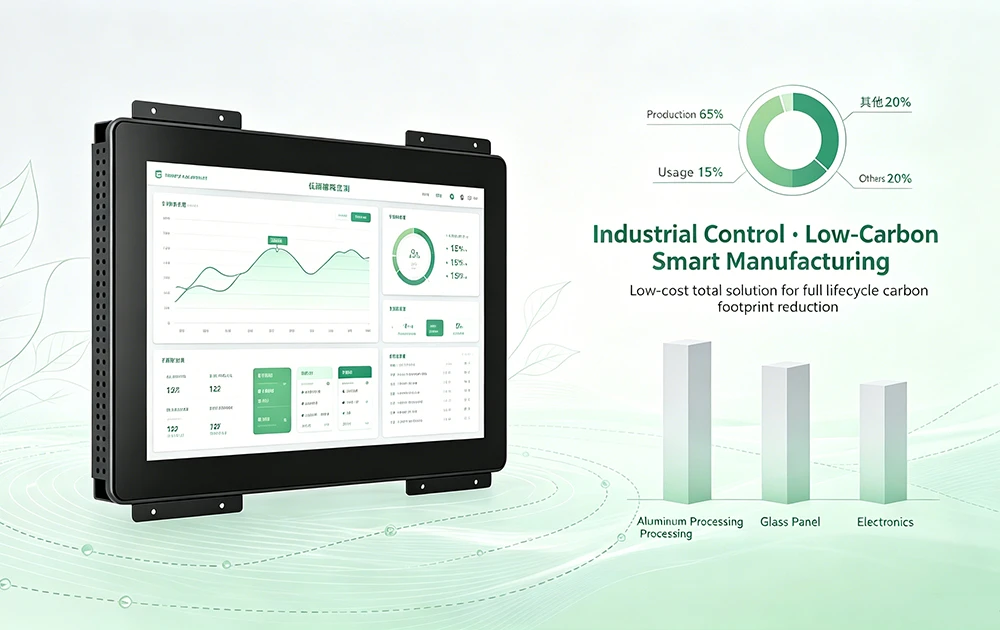
Through empirical analysis of various mainstream industrial all-in-one touch PCs, the research team found that carbon emissions are concentrated primarily in the manufacturing stage, accounting for over 65% of the total; aluminum processing, glass panel manufacturing, and circuit board assembly were identified as key emission sources. Additionally, energy consumption during the product's usage phase cannot be overlooked; particularly in high-load operating environments, annual electricity consumption generates carbon emissions equivalent to 15% of those produced during the manufacturing stage.
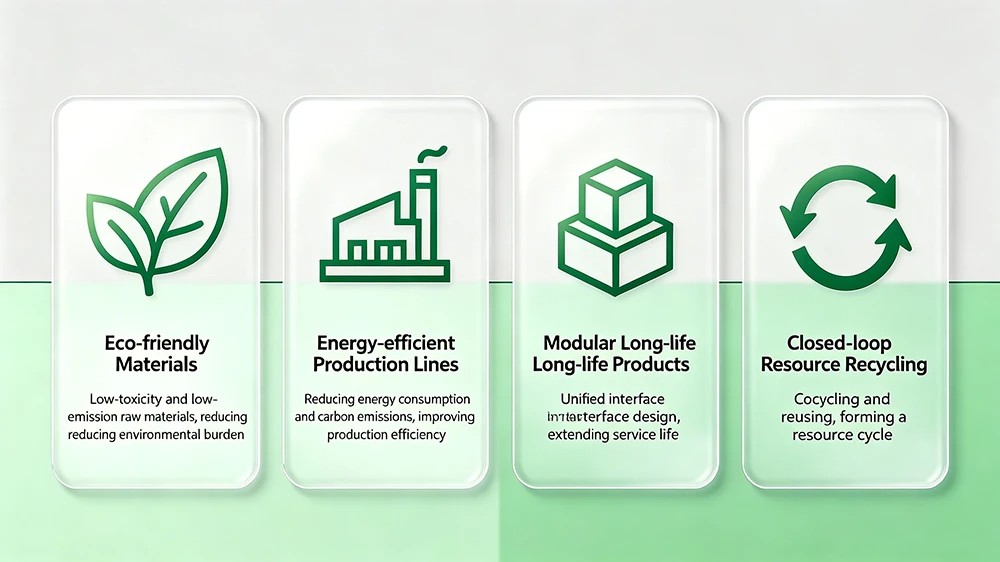
Based on these findings, the project team proposed several green manufacturing optimization strategies: first, promoting the use of environmentally friendly materials such as recycled aluminum and low-carbon glass; second, optimizing production processes and introducing energy-efficient automated assembly lines to reduce energy consumption per unit by 23%; third, implementing modular design to extend product lifespan and improve maintainability; and fourth, establishing a closed-loop recycling system to facilitate the efficient reuse of precious metals and rare materials from retired equipment.
Currently, three enterprises have applied these research findings to actual production line upgrades, resulting in an average reduction of approximately 30% in the carbon footprint of pilot products. Experts note that as the national "Dual Carbon" goals (peaking carbon emissions and achieving carbon neutrality) are advanced, the greening of industrial equipment has become a core competency for the sustainable development of manufacturing enterprises. In the future, this assessment system is expected to be incorporated into industry standards, helping my country's intelligent equipment industry advance toward a new stage of low-carbon, high-quality development.
This study not only provides a quantifiable carbon reduction pathway for the industrial all-in-one touch PC sector but also offers a model for the green design and manufacturing of other smart terminal devices, marking a new stage of refined and systematic green transformation in my country's manufacturing industry.